
Club Foot

Club foot is one of the most common congenital foot conditions, affecting approximately 1 in 1,000 children in the UK. Comprehensive prenatal screening and genetic counselling are available to provide families with information and support when club foot is detected during pregnancy.

Club Foot: Key Information

Club foot, medically known as congenital talipes equinovarus (CTEV), is a condition where a baby is born with one or both feet turned inward and downward in a fixed position. The foot appears twisted, with the sole facing inward and the heel pointing downward, resembling the shape of a golf club. This congenital condition affects the bones, joints, muscles, and tendons of the foot and lower leg.

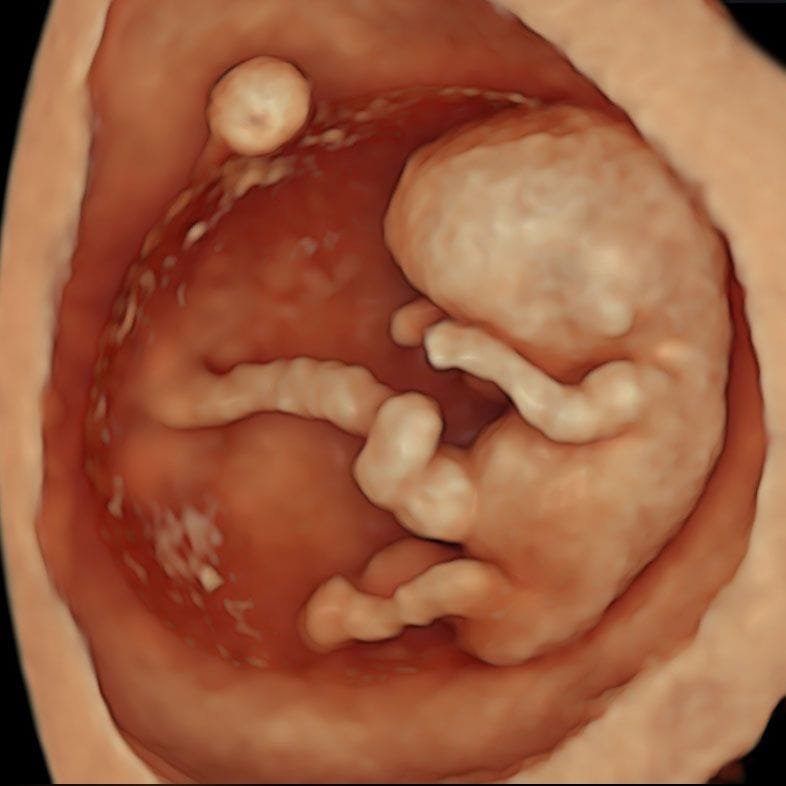
Club foot can be detected during pregnancy through detailed anomaly scanning around 18-20 weeks of gestation, though structural assessment can begin as early as 10 weeks with advanced early anomaly screening. Early detection allows parents to prepare for treatment and connect with specialist orthopaedic teams before birth. Comprehensive pregnancy scanning services include careful assessment of fetal limb development, whilst genetic counselling can help families understand the condition and available treatment options.

Investigations and support for club foot


Detailed Anomaly Scanning

Comprehensive anomaly scanning between 18-22 weeks of pregnancy includes careful assessment of fetal limb development and positioning. Advanced ultrasound technology can identify club foot and provide detailed information about the severity and whether one or both feet are affected. This early detection allows families time to prepare and connect with specialist paediatric orthopaedic teams.

Follow-up scanning throughout pregnancy can monitor the condition and provide ongoing reassurance. Detailed reports include measurements and images that can be shared with NHS teams and future treating specialists to ensure continuity of care.

3D/4D Imaging Assessment

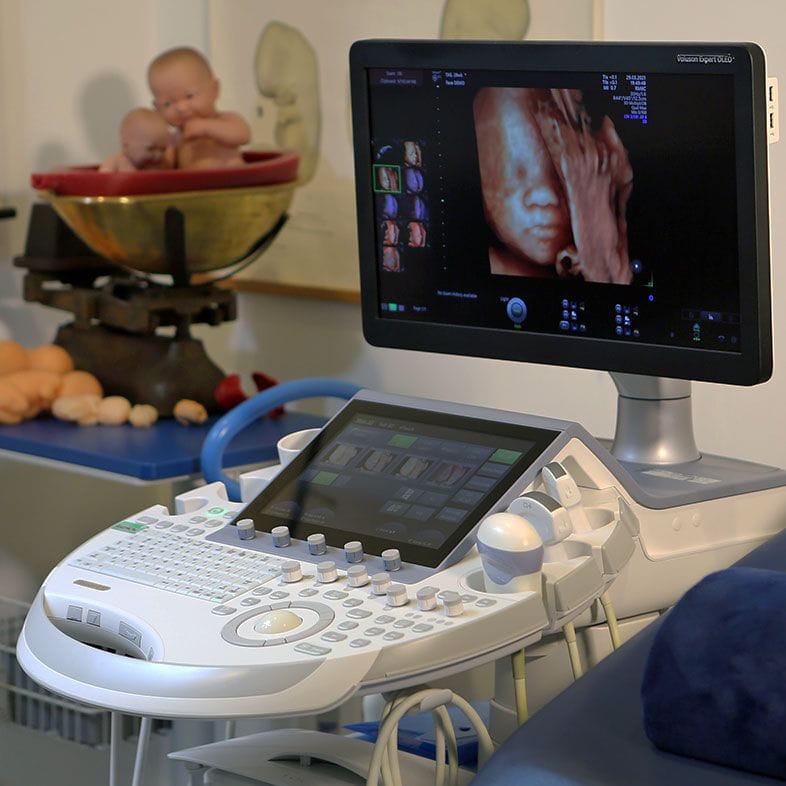
Advanced 3D/4D scanning technology can provide enhanced visualisation of fetal foot positioning and development. These detailed images help parents better understand the condition and can provide valuable additional information for specialist teams planning postnatal treatment. The three-dimensional views offer clearer assessment of the foot’s position and the relationship between different anatomical structures.

3D imaging can be particularly helpful in cases where the diagnosis is uncertain on standard 2D ultrasound, providing additional detail about foot positioning and helping to distinguish club foot from normal temporary positioning that can occur during fetal development.

Genetic Counselling Support

Whilst most cases of club foot occur sporadically, some may have a genetic component or be associated with other conditions. Genetic counselling can help families understand the potential causes, discuss family history, and explain recurrence risks for future pregnancies. This support is particularly valuable for families with a history of club foot or other musculoskeletal conditions.

Genetic counselling sessions also provide comprehensive information about the condition’s prognosis, treatment options, and long-term outcomes. Counsellors can coordinate with specialist paediatric orthopaedic teams to ensure families receive accurate, up-to-date information about modern treatment approaches and expected outcomes.

Coordinated Care Planning

Following a diagnosis of club foot, coordinated care with specialist paediatric orthopaedic services can be arranged to ensure smooth transition from prenatal to postnatal care. Detailed reports and imaging can be shared with treating teams, helping to streamline the treatment planning process and ensure continuity of care from pregnancy through to postnatal treatment.

This comprehensive approach includes connecting families with appropriate NHS specialist centres, providing information about treatment methods such as the Ponseti technique, and offering ongoing support throughout the pregnancy. Understanding the excellent outcomes typically achieved with modern treatment approaches can provide reassurance about this diagnosis.

Follow-up Monitoring

For families where club foot has been identified, regular follow-up scans throughout pregnancy can monitor fetal development and provide ongoing reassurance. These scans can track any changes in foot positioning and ensure that other aspects of fetal development remain normal. Regular monitoring helps maintain confidence throughout the pregnancy and provides updated information for postnatal care teams.

Follow-up care includes assessment of fetal growth, position, and wellbeing, ensuring that the presence of club foot doesn’t indicate any other developmental concerns. Close communication with NHS teams can be maintained and additional scans arranged if required by specialists or if specific concerns arise about the baby’s development.

Ultrasound scan technology

Ultrasound scans can sometimes provide early clues

Ultrasound signs of club foot during pregnancy

Club foot appearance on ultrasound involves specific positioning of the fetal foot and ankle that differs from normal fetal positioning. The condition can usually be identified from around 18-20 weeks of pregnancy when fetal anatomy becomes clearly visible on detailed scanning.

Ultrasound features of club foot include persistent abnormal positioning of the foot that doesn’t correct with fetal movement. Unlike normal temporary positioning that changes throughout the scan, club foot maintains a characteristic fixed position that experienced sonographers can readily identify.

When club foot is suspected, additional detailed imaging and follow-up scans may be recommended. Assessment may include 3D/4D imaging for enhanced visualisation and specialist review to confirm the diagnosis and plan appropriate postnatal care.

Inward foot rotation

foot positioning

The foot appears turned inward (adducted) with the sole facing toward the midline of the body. This positioning is persistent and doesn’t correct with normal fetal movement, distinguishing it from temporary normal positioning.

Downward foot positioning

ankle positioning

The foot points downward (plantarflexed) with the toes positioned lower than the heel. This creates the characteristic appearance where the foot seems to be pointing away from the normal anatomical position.

Heel positioning

structural change

The heel appears raised and turned inward, creating an abnormal relationship between the heel and the rest of the foot. This contributes to the overall twisted appearance of the affected foot.

Fixed positioning

movement assessment

Unlike normal fetal foot positioning that varies throughout the scan, club foot maintains a consistently abnormal position. The foot doesn’t demonstrate the normal range of movement and positioning changes typically seen during ultrasound examination.

Sole orientation

anatomical position

The sole of the foot faces inward and may appear to face toward the opposite foot in bilateral cases. This abnormal orientation of the sole is one of the key identifying features visible on ultrasound imaging.

Ankle joint appearance

joint positioning

The ankle joint may appear at an abnormal angle, contributing to the overall altered positioning of the foot. The normal perpendicular relationship between the lower leg and foot is disrupted in club foot.

Frequently Asked Questions

Your questions answered

What is club foot?

Club foot, medically known as congenital talipes equinovarus (CTEV), is a condition where a baby is born with one or both feet twisted inward and downward in a fixed position. The affected foot cannot be easily moved into a normal position and appears smaller than a typical foot. The condition affects the bones, muscles, tendons, and joints of the foot and lower leg.

Club foot is one of the most common congenital limb differences, occurring in approximately 1 in 1,000 births in the UK. The condition is twice as common in boys and affects both feet in about half of all cases. Most babies with club foot have no other medical problems and the condition can be successfully treated with modern techniques.

What causes club foot?

The exact cause of club foot is not fully understood, but research suggests it results from a combination of genetic and environmental factors. Genetic factors may include inherited changes that affect foot development during pregnancy, whilst environmental factors might include certain infections, smoking, or drug use during pregnancy.

In most cases, club foot occurs sporadically without a clear family history. However, there is a slightly increased risk if a parent or sibling has the condition. Some cases may be associated with other conditions affecting muscle tone or spinal cord development, but the majority occur as isolated findings.

How is club foot diagnosed during pregnancy?

Club foot can be diagnosed on ultrasound from around 18-20 weeks of pregnancy during routine anomaly scanning. The condition is identified by the characteristic positioning of the fetal foot, which appears turned inward and downward in a fixed position that doesn’t correct with fetal movement.

Diagnosis involves detailed assessment by experienced sonographers who can distinguish club foot from normal temporary positioning that commonly occurs during fetal development. Additional 3D imaging may sometimes be used to provide enhanced visualisation and confirm the diagnosis, particularly in cases where the position is unclear on standard 2D ultrasound.

Can club foot be treated successfully?

Yes, club foot can be treated very successfully with modern techniques, particularly the Ponseti method which is now the gold standard treatment. This non-surgical approach involves gentle manipulation and casting of the foot, typically starting within the first few weeks after birth. The success rate with the Ponseti method is over 95% when properly applied.

Treatment usually involves a series of plaster casts applied weekly to gradually correct the foot position, followed by a minor procedure to release the Achilles tendon if needed. After casting, children wear special boots and a bar system to maintain the correction and prevent recurrence. With proper treatment, most children achieve normal foot function and can participate fully in sports and activities.

Will my baby need surgery for club foot?

Most babies with club foot do not require major surgery when treated with the modern Ponseti method. This technique successfully corrects club foot in over 95% of cases using casting and manipulation rather than extensive surgical procedures. The only surgical procedure commonly needed is a minor Achilles tendon release, which is a small outpatient procedure.

Extensive surgery is now rarely needed and is typically reserved for cases where the Ponseti method hasn’t been successful or hasn’t been properly applied. The shift away from major surgery has dramatically improved outcomes for children with club foot, resulting in better foot function and fewer long-term complications.

Is club foot associated with other conditions?

In most cases, club foot occurs as an isolated condition with no other associated medical problems. Studies show that babies with club foot usually have no other health issues and develop normally in all other aspects. This type is called isolated or idiopathic club foot and represents the majority of cases.

However, club foot can occasionally be associated with other conditions such as spina bifida, arthrogryposis, or certain genetic syndromes. When club foot is detected during pregnancy, additional detailed scanning may be recommended to ensure no other abnormalities are present. Healthcare teams can discuss whether any additional investigations are needed in specific cases.

What is the long-term outlook for children with club foot?

The long-term outlook for children with properly treated club foot is excellent. With modern treatment methods, particularly the Ponseti technique, most children achieve normal foot function and can participate fully in all activities including competitive sports. The treated foot typically functions normally, though it may remain slightly smaller and less flexible than an unaffected foot.

Children who receive appropriate treatment from birth usually walk at a normal age and experience no significant limitations in their daily activities. Regular follow-up with specialist teams continues through childhood to ensure the correction is maintained and to address any concerns that may arise during growth and development.

How common is club foot in families?

Most cases of club foot occur sporadically without a family history of the condition. However, there is a genetic component, with slightly increased recurrence risks if a family member is affected. If one parent has club foot, the risk of having an affected child is approximately 3-4%, compared to the general population risk of 0.1%.

If parents have had one child with club foot, the recurrence risk for subsequent pregnancies is approximately 2-5%. Genetic counselling can help families understand their specific risks and discuss options for prenatal screening in future pregnancies.

Can club foot be prevented?

There is no known way to prevent club foot as the exact cause is not fully understood and likely involves complex genetic and environmental interactions. However, maintaining good general health during pregnancy, avoiding smoking and alcohol, and taking appropriate prenatal vitamins may help support healthy fetal development overall.

For families with a history of club foot, prenatal screening through detailed ultrasound scanning can provide early detection, allowing time to prepare and connect with specialist treatment teams before birth. While prevention isn’t possible, early preparation can help ensure the best possible outcomes for affected babies.

What should I expect if my baby is diagnosed with club foot?

If your baby is diagnosed with club foot during pregnancy, healthcare teams can arrange for you to meet with specialist paediatric orthopaedic teams who will explain the condition and treatment options. This preparation helps ensure that treatment can begin promptly after birth, which is important for achieving the best outcomes.

Treatment typically begins within the first few weeks after birth with the Ponseti method of casting and manipulation. The process requires commitment from families but has excellent success rates. Most children achieve normal foot function and the condition doesn’t significantly impact their long-term quality of life or activity levels.

Does club foot affect both feet?

Club foot affects both feet in approximately 50% of cases, with the remaining cases involving just one foot. When only one foot is affected, it’s slightly more common for the right foot to be involved than the left. The severity can vary between feet when both are affected.

Whether one or both feet are involved doesn’t significantly change the treatment approach or expected outcomes. The Ponseti method is equally effective for unilateral and bilateral club foot, and children with bilateral involvement typically achieve excellent functional outcomes with appropriate treatment.

Will club foot affect my baby’s development?

Club foot itself doesn’t affect a baby’s overall development or intellectual abilities. Babies with club foot develop normally in all other aspects and typically reach developmental milestones at the expected times. The condition is limited to the foot and lower leg structure and doesn’t impact other body systems.

Children with properly treated club foot usually begin walking at a normal age, though this may be slightly delayed if they’re still in the casting phase of treatment. Once treatment is complete, most children participate fully in all childhood activities and show no limitations in their physical development or capabilities.

What is the Ponseti method?

The Ponseti method is the gold standard treatment for club foot, developed by Dr. Ignacio Ponseti and refined over decades of use. This technique involves gentle manipulation of the foot followed by casting to gradually correct the position over a series of weekly appointments. The method respects the natural anatomy of the foot while achieving correction.

The treatment typically involves 5-6 casts applied over several weeks, often followed by a minor Achilles tendon release procedure. After casting, children wear special boots connected by a bar to maintain the correction. This approach has success rates over 95% and has revolutionised club foot treatment by avoiding the need for extensive surgery.

When should club foot treatment begin?

Treatment for club foot should ideally begin as soon as possible after birth, typically within the first week or two of life when the foot tissues are most flexible and responsive to correction. Early treatment takes advantage of the natural flexibility of newborn tissues and ligaments.

Prompt treatment is important for achieving optimal outcomes with the Ponseti method. Delays in treatment can make correction more difficult and may require more intensive interventions. For this reason, prenatal diagnosis is valuable as it allows families to connect with specialist teams and plan for immediate postnatal care.

Are there different types of club foot?

Club foot is classified into different types based on its flexibility and underlying cause. Flexible or postural club foot can be gently moved toward a normal position and often resolves with stretching and physiotherapy. Rigid or structural club foot cannot be easily corrected manually and requires formal treatment with casting.

The vast majority of cases are structural club foot requiring the Ponseti method of treatment. There’s also a distinction between isolated club foot (occurring alone) and club foot associated with other conditions such as spina bifida or genetic syndromes, which may require modified treatment approaches.

What support is available for families affected by club foot?

Comprehensive support is available for families affected by club foot through NHS specialist centres, charity organisations, and support groups. Many hospitals have dedicated club foot clinics with specialist physiotherapists, orthopaedic surgeons, and support coordinators who guide families through the treatment process.

Organisations such as Steps Charity provide information, support, and connection with other families affected by similar conditions. Online communities and local support groups can offer practical advice and emotional support throughout the treatment journey. Healthcare teams also provide ongoing education and resources to help families understand and manage the condition effectively.