
Online — £60
A 20-minute video appointment with a GP. Suitable only if your pregnancy is uncomplicated. If you are not sure, the eligibility check takes under a minute.
Pregnant? Get your fit to fly certificate from London Pregnancy Clinic. Expert medical assessments for expectant mothers travelling abroad.
A Fit to Fly certificate is a medical document issued by a healthcare professional confirming that you are medically fit to travel by air during your pregnancy. Airlines require this certification to ensure both your safety and your baby’s wellbeing whilst flying. The certificate verifies that you have no medical complications that would make flying inadvisable and confirms your estimated date of delivery. Most airlines will not permit pregnant passengers to fly without this documentation, particularly on international flights or when travelling beyond 24 weeks of pregnancy.
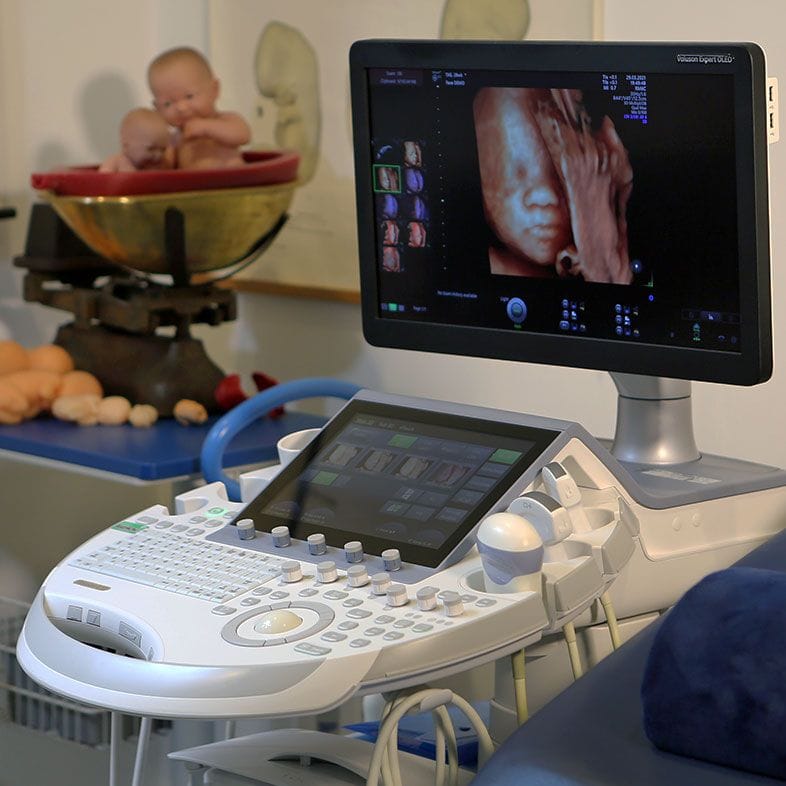
A Fit to Fly assessment costs £60 whichever way you choose. The right one depends on whether your pregnancy is straightforward.
A 20-minute video appointment with a GP. Suitable only if your pregnancy is uncomplicated. If you are not sure, the eligibility check takes under a minute.
20 minutes at our City clinic. The right choice if you have any complication in this pregnancy, if the eligibility check sends you here, or simply if you would rather be seen in person.
Letter shared with you within 2 hours of the appointment. Our midwives and GPs have same day and last minute availability to accommodate your travel needs.
A GP assessment at our City clinic, including a check of your vitals before you travel. The right choice if there is any complication in this pregnancy.
A video GP appointment, for uncomplicated pregnancies only. Please attach the relevant information from your healthcare providers, including NHS midwives and any private providers, at least 4 hours beforehand.
We are here to support you at every step of your pregnancy.
Please ensure you check the relevant guidelines and policies of the airline you are travelling with. Our reports will only state factual information regarding your pregnancy based on the documentation you provide. It is your responsibility to review the airline’s requirements before travelling. Please note that guidelines may differ if you are carrying twins or if there are any complications in your pregnancy.
We collated some of the guidelines from the larger airlines servicing London airports for your convenience (as of November 2025:)
Medical conditions and pregnancy
I’m pregnant, can I still fly?
Travelling while pregnant
Can I travel while pregnant?
Terms & Conditions – Pregnancy section
Is it safe to fly while I’m pregnant?
Special assistance: Pregnant women
Medical Conditions (expectant mothers)
A healthy journey (pregnancy guidance)
Flying when pregnant
Flying while pregnant and what to keep in mind
Flying when pregnant or with newborns
Health and travel (pregnancy section)
Health & Medical (pregnancy)
Traveling during pregnancy
Travelling while pregnant
Travelling while pregnant
FAQs about flying during pregnancy & travel policy
Traveling during pregnancy
Flying while pregnant
Yes, flying during pregnancy is generally considered safe for most women, particularly during the second trimester when symptoms such as nausea and fatigue have usually improved. Airlines and healthcare professionals agree that flying is usually low-risk if you have an uncomplicated pregnancy, although you should always check with your midwife or doctor before travelling. Staying hydrated, walking around the cabin when possible, and wearing compression stockings can help reduce the risk of swelling or deep-vein thrombosis (DVT) during flights.
Most airlines allow pregnant passengers to fly up to 36 weeks with a single pregnancy and up to 32 weeks with twins or multiples, although exact cut-offs can vary between airlines. After 28 weeks, many airlines require a ‘fit to fly’ letter confirming your due date and that you are medically safe to travel. Always check your specific airline’s pregnancy policy before booking, as rules differ and documentation may be required at the airport.
A doctor’s note or fit-to-fly letter is often required once you are past 24 weeks gestation, and it must confirm your expected due date and that you are fit for air travel. Some airlines have their own medical forms that must be completed by a GP or midwife, while others accept a simple written statement on official letterhead. Carry the letter in your hand luggage, as airline staff may request to see it at check-in or the boarding gate.
For healthy pregnancies, the risks of flying are generally low, but there are still considerations to keep in mind. Long periods of sitting can increase the risk of deep-vein thrombosis (DVT), so wearing compression stockings and staying mobile is recommended. Dehydration, swelling, and discomfort may be more noticeable during pregnancy, and women with complications—such as high blood pressure, placenta praevia, or a history of preterm labour—should seek medical advice before flying. Airlines may restrict travel if there are known medical risks.
Flying after giving birth is possible, but guidance varies depending on whether you had a vaginal birth or caesarean section. Most airlines recommend waiting at least one week after a straightforward vaginal birth and two weeks after a caesarean, although your recovery, mobility, and any complications should be considered. New mothers are also advised to stay hydrated, move regularly, and ensure the baby is fit to travel, as newborns may have additional restrictions depending on the airline.
Contact
The figures and clinical statements on this page are drawn from the sources below. Guidance evolves — always discuss your individual circumstances with a clinician.
Cookies on this site
We use cookies needed to run this site. With your permission we would also use analytics and advertising cookies to see how the site is used and which of our adverts lead to bookings. Declining will not affect your care or your booking. See our Privacy notice and Terms & Conditions.