The only definitive cure for pre-eclampsia is delivery of the baby and placenta, but management depends on the severity of the condition and how far along you are in your pregnancy. For mild pre-eclampsia detected near term (after 37 weeks), your obstetrician may recommend induction of labour or planned delivery.
If diagnosed earlier in pregnancy, the focus shifts to careful monitoring to allow the baby more time to develop whilst keeping the mother safe.
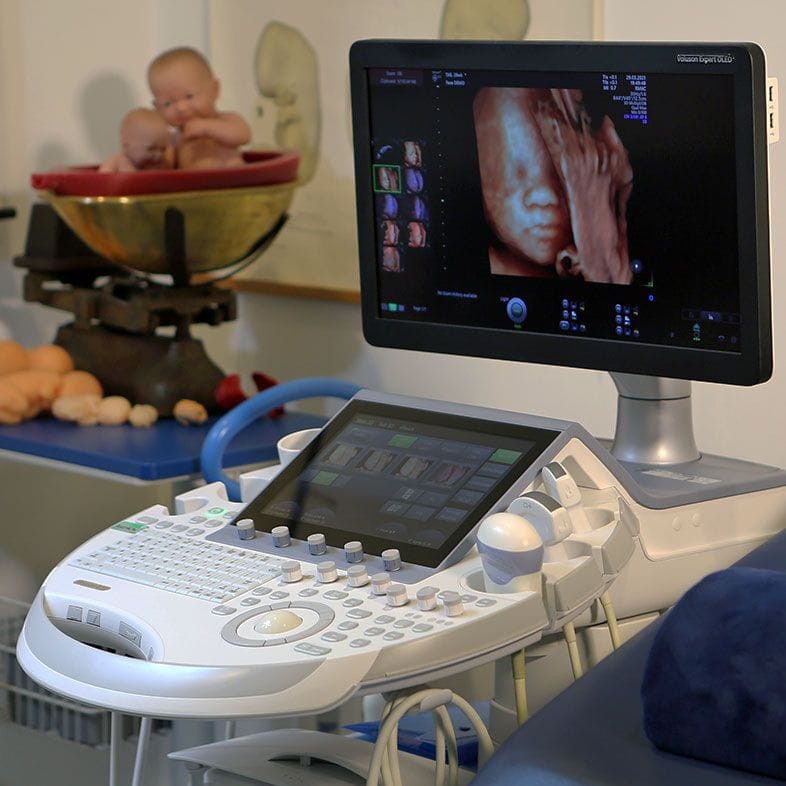
This typically involves more frequent antenatal appointments, regular blood pressure monitoring, blood tests to check organ function, urine tests for protein levels, and ultrasound scans to monitor fetal growth and amniotic fluid levels.
Medication may be prescribed to manage symptoms and prevent complications. Antihypertensive medications help control high blood pressure, whilst magnesium sulphate (a medicine that helps prevent seizures) may be given to prevent eclamptic seizures if pre-eclampsia becomes severe.
In some cases, corticosteroids (steroids that help the baby’s lungs mature) are administered to help mature the baby’s lungs if early delivery is anticipated. Women with severe pre-eclampsia typically require hospital admission for close monitoring and may need emergency delivery regardless of gestational age to prevent life-threatening complications.
After delivery, blood pressure usually returns to normal within days to weeks, though some women require ongoing monitoring and medication during the postnatal period, as pre-eclampsia can occasionally develop or worsen after birth.