1. Regular Antenatal Appointments: Regular check-ups with midwives or obstetricians to monitor the progress of the pregnancy, track the baby’s growth, and address any concerns.
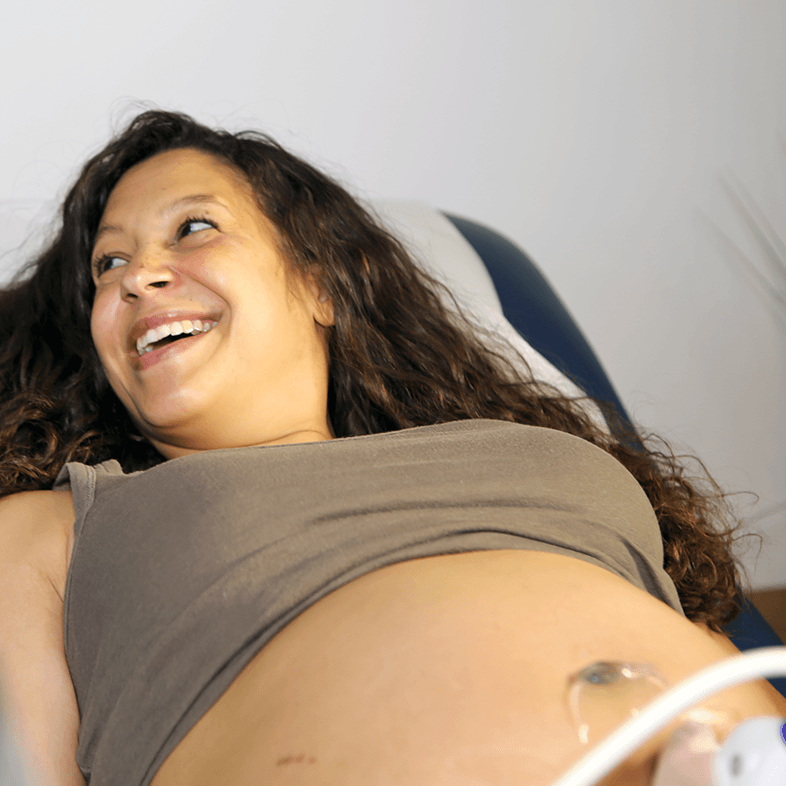
2. Pregnancy Ultrasound Scans:
3. Blood Tests:
4. Urine Tests: Regular checks for protein, glucose, and signs of infection to monitor kidney function and detect conditions like pre-eclampsia.
5. Blood Pressure Monitoring: Regular blood pressure checks to identify and manage conditions such as pre-eclampsia.
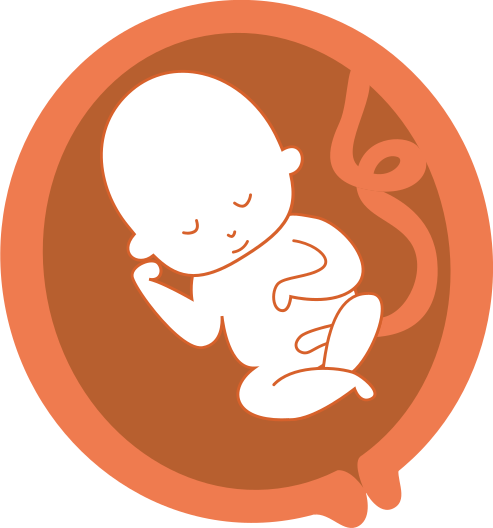
6. Foetal Growth and Position Checks: Physical examinations and measurements to ensure the baby is growing and positioned correctly.
7. Screening for Genetic Conditions:
8. Antenatal Classes: Educational sessions covering childbirth, breastfeeding, and newborn care, providing practical advice and emotional support.
9. Mental Health Support: Assessment and support for mental health issues, including depression and anxiety, ensuring comprehensive care for the mother’s overall wellbeing.
10. Postnatal Planning: Guidance on postnatal care, including information on birth plans, pain relief options, and preparing for labour and delivery.
The NHS antenatal care programme aims to provide personalised and attentive care to all expectant mothers, ensuring a healthy and positive pregnancy experience. For more information visit the NHS website.
- Dating Scan (8-14 weeks): Confirms the pregnancy, estimates the due date, and checks for multiple pregnancies.
- Anomaly Scan (18-21 weeks): Examines the baby’s development and detects any potential anomalies.
- Blood Group and Rhesus Status: Determines the mother’s blood type and checks for Rhesus factor.
- Full Blood Count: Detects anaemia and other conditions.
- Infections Screening: Tests for infections such as HIV, hepatitis B, and syphilis.
- Gestational Diabetes Test (24-28 weeks): Screens for diabetes during pregnancy.
- Combined Screening (11-14 weeks): Assesses the risk of Down’s syndrome, Edwards’ syndrome, and Patau’s syndrome.
- Quadruple Test (14-20 weeks): Another screening option for Down’s syndrome if the combined screening is missed.