
Extended NIPT in London
Advanced extended NIPT London testing by fetal medicine specialists. Comprehensive non-invasive prenatal screening for chromosomal conditions and genetic disorders from leading genetics clinic.
New to NIPT? Compare all our NIPT tests or see the full NIPT price list. Extended NIPT can also screen for DiGeorge syndrome (22q11.2) and other microdeletions.
Extended NIPT London Testing Explained
Extended NIPT (Non-Invasive Prenatal Testing) is the most comprehensive form of genetic screening available during pregnancy. Unlike standard NIPT that screens for common conditions like Down syndrome, extended NIPT analyses multiple chromosomal abnormalities including sex chromosome disorders, rare trisomies, and microdeletions. This advanced blood test uses cell-free fetal DNA from the placenta circulating in maternal blood, providing highly accurate results from 9-10 weeks of pregnancy without risk to mother or baby.
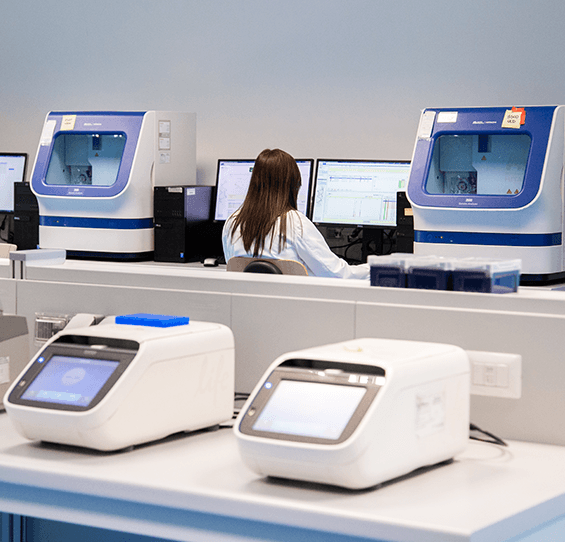
Extended NIPT Services at London Pregnancy Clinic
- Earliest testing available – comprehensive screening from 9 weeks with results in 7-10 working days
- Fetal medicine specialists – expert genetic counselling included with all extended NIPT packages
- Multiple NIPT platforms – Panorama AI, KNOVA, PrenatalSafe and Illumina options available
- World-leading laboratories – partnership with four of the most advanced NIPT providers globally
- Comprehensive care pathway: London Pregnancy Clinic offers integrated ultrasound screening and genetic counselling alongside NIPT
- Internationally recognised experts – fetal medicine consultants with specialist training in prenatal genetics
What Does Extended NIPT Screen For?
Extended NIPT provides comprehensive chromosomal screening beyond standard testing. It analyses numerous genetic conditions that may affect fetal development and long-term health outcomes.
Our advanced NIPT platforms screen for common aneuploidies including Down syndrome (trisomy 21), Edwards syndrome (trisomy 18), and Patau syndrome (trisomy 13), alongside sex chromosome abnormalities such as Turner syndrome and Klinefelter syndrome.
Extended panels also detect rare autosomal trisomies, triploidy, and clinically significant microdeletions including DiGeorge syndrome, Prader-Willi syndrome, and Angelman syndrome. Some platforms can analyse certain single gene disorders and can determine fetal sex and rhesus status.

What does extended NIPT screen for?
Extended NIPT can identify conditions that may need specialist care. This includes detailed ultrasound assessment or diagnostic testing such as amniocentesis. Our fetal medicine specialists integrate NIPT results with detailed anomaly scanning to provide comprehensive risk assessment and personalised counselling.
Advanced platforms like KNOVA NIPT can detect over 30 genetic conditions, whilst Panorama AI incorporates artificial intelligence to improve accuracy rates. Extended NIPT is particularly valuable for older mothers, those with family history of genetic conditions, or couples seeking comprehensive pregnancy screening.
Our genetic counsellors explain all screening results and discuss implications for ongoing pregnancy management and future family planning.
We work with the most advanced genetic laboratories
Our extended NIPT is processed by world-leading genetic laboratories, including Eurofins GENOMA, giving you access to the most advanced sequencing technology and comprehensive screening panels available.
Extended NIPT can provide extra reassurance during pregnancy, but it can also cause more anxiety due to false positives.
Because extended NIPT screens for a much wider range of conditions, including rare microdeletions, it can occasionally return false positive results. Our fetal medicine specialists and genetic counsellors are here to help you understand your results, put them in context, and decide on any appropriate next steps.
Your questions answered
What is extended NIPT and how is it different from standard NIPT testing?
Extended NIPT is a highly advanced form of non-invasive prenatal testing that screens for a comprehensive range of chromosomal abnormalities and genetic conditions during pregnancy.
Unlike standard NIPT which focuses on the three most common trisomies, extended NIPT analyses additional chromosomes, sex chromosome disorders, rare trisomies, and microdeletions that could affect fetal development.
The test uses sophisticated laboratory techniques to analyse cell-free fetal DNA circulating in maternal blood, providing detailed genetic information about your baby from as early as 9 weeks of pregnancy without any risk to mother or child.
Extended NIPT is particularly beneficial for expectant parents seeking comprehensive genetic screening, those with family history of chromosomal disorders, or mothers of advanced maternal age where chromosome abnormalities become more common.
The test can detect conditions ranging from Down syndrome and Edwards syndrome to rarer microdeletions like DiGeorge syndrome, providing peace of mind and enabling informed decision-making about pregnancy management.
Our fetal medicine specialists at London Pregnancy Clinic combine extended NIPT with expert ultrasound assessment and genetic counselling to provide the most thorough prenatal screening available in the UK.
How accurate is extended NIPT and what are its limitations?
Extended NIPT achieves high detection rates for the common chromosomal conditions: around 99% for Down's syndrome and approximately 97-98% for Edwards' and Patau's syndromes, with a low false-positive rate for these trisomies.
For sex chromosome abnormalities and microdeletions, published detection rates are lower and more variable (broadly in the region of 80-95% for the common sex chromosome conditions), and, importantly, the positive predictive value for these conditions is considerably lower than for the common trisomies: a positive result is much more likely to be a false positive and always needs confirmation by diagnostic testing.
These figures are screening detection rates, not a measure of diagnostic accuracy; NIPT is a screening test, not a diagnosis, and every high-chance result must be confirmed by amniocentesis or chorionic villus sampling.
The high sensitivity for the common trisomies stems from advanced laboratory techniques that analyse millions of DNA fragments and sophisticated algorithms that can distinguish between maternal and fetal genetic material with exceptional precision.
However, it’s important to understand that NIPT is a screening test, not a diagnostic test, meaning it indicates probability rather than definitive diagnosis. Positive results require confirmation through diagnostic procedures such as amniocentesis or chorionic villus sampling.
Our genetic counsellors explain that whilst extended NIPT significantly reduces the need for invasive testing, it cannot detect all possible genetic conditions, structural abnormalities visible on ultrasound, or neural tube defects. The accuracy of extended NIPT may be affected by factors including maternal weight, multiple pregnancy, or placental mosaicism.
Our fetal medicine team provides detailed counselling about test limitations and discusses appropriate follow-up based on individual risk factors and screening results.
Who should consider having extended NIPT during pregnancy?
Extended NIPT is recommended for all pregnancies where comprehensive genetic screening is desired, particularly for women of advanced maternal age (typically over 35), those with family history of chromosomal abnormalities, or couples who have previously had a pregnancy affected by genetic conditions. The test is also valuable when standard screening tests indicate increased risk, when detailed ultrasound scanning identifies potential fetal abnormalities, or for mothers who prefer non-invasive screening over diagnostic procedures with associated miscarriage risk.
Extended NIPT is especially beneficial for multiple pregnancies where standard screening may be less accurate, pregnancies conceived through IVF where genetic screening provides additional reassurance, or when parents specifically wish to screen for conditions beyond the standard trisomies.
Our fetal medicine specialists also recommend extended NIPT for mothers with anxiety about genetic conditions, enabling early reassurance and informed decision-making throughout pregnancy.
However, extended NIPT may not be suitable in certain circumstances including very early pregnancy before 9 weeks, previous history of genetic mosaicism, or certain maternal medical conditions.
Our genetic counsellors provide personalised recommendations based on individual medical history, family background, and pregnancy-specific factors during pre-test counselling consultations.
What happens if my extended NIPT result is positive?
A positive extended NIPT result indicates an increased probability that your baby may have the specific genetic condition identified, but this requires confirmation through diagnostic testing such as amniocentesis. Our fetal medicine team provides immediate support and detailed genetic counselling to explain the implications of positive results, discuss the accuracy of the specific finding, and outline next steps including diagnostic options and specialist referrals where appropriate.
Following positive extended NIPT results, we arrange urgent specialist consultations with our consultant geneticists and fetal medicine specialists who provide comprehensive counselling about the detected condition, its potential impact on the baby’s health and development, and available management options.
This includes detailed ultrasound assessment to look for associated structural abnormalities, discussion of diagnostic testing procedures, and connection with specialist support services. Our team ensures you receive accurate, balanced information to support informed decision-making, whilst providing emotional support throughout this challenging time.
We work closely with NHS fetal medicine units and specialist paediatric services to ensure seamless care coordination and appropriate ongoing monitoring throughout pregnancy.
Which extended NIPT platforms are available at London Pregnancy Clinic?
Extended NIPT platforms available at London Pregnancy Clinic include Panorama AI NIPT, KNOVA NIPT, PrenatalSafe, and Illumina options, each offering different screening capabilities and detection panels. Panorama AI incorporates artificial intelligence algorithms for enhanced accuracy and can analyse fetal fraction to optimise results reliability. KNOVA NIPT provides one of the most comprehensive screening panels available, detecting over 30 genetic conditions including rare microdeletions and single gene disorders.
PrenatalSafe offers flexible screening options with different panel sizes depending on individual requirements and risk factors, whilst Illumina platforms provide robust, well-validated screening for standard and extended conditions.
The choice of platform depends on specific screening requirements, individual risk factors, and clinical recommendations from our fetal medicine specialists. All platforms use advanced sequencing technology and sophisticated bioinformatics analysis to achieve maximum accuracy.
Our genetic counsellors explain the differences between available options and help select the most appropriate extended NIPT platform based on your individual circumstances, family history, and screening preferences during pre-test consultations.
One important distinction: our Illumina option, TDL VeriSeq V2, is a basic rather than an extended NIPT. Run by The Doctors Laboratory in London as the successor to the discontinued Harmony test, it screens for Down’s (T21), Edwards’ (T18) and Patau’s (T13) syndromes with optional fetal sex, and reports in 2–4 working days at £540 with your scan. It does not include the microdeletions, rare trisomies or single-gene conditions covered by the extended panels above, so choose it only if the core trisomies are what you want screened.
How does extended NIPT compare to diagnostic testing like amniocentesis?
Extended NIPT and diagnostic testing such as amniocentesis serve different purposes in prenatal care and are often complementary rather than alternatives. Extended NIPT is a screening test that indicates probability of genetic conditions with very high accuracy but cannot provide definitive diagnosis. It is completely safe with no miscarriage risk, can be performed from 9 weeks, and screens for multiple conditions simultaneously.
Diagnostic testing through amniocentesis provides definitive genetic diagnosis but carries a small miscarriage risk (approximately 1 in 200-500 according to recent studies) and is typically performed after 15 weeks of pregnancy.
Amniocentesis can detect all chromosomal abnormalities and genetic conditions that can be identified through genetic testing, making it more comprehensive than even extended NIPT. Many couples choose extended NIPT first due to its safety profile, using diagnostic testing only if screening results indicate increased risk.
Our fetal medicine specialists discuss both options during genetic counselling, explaining how they complement each other and helping you make informed decisions about prenatal genetic assessment based on individual risk factors and personal preferences.
I’m not based in London — can I just do the NIPT without a scan?
Not through London Pregnancy Clinic — every NIPT we offer includes an expert ultrasound scan. The scan confirms your pregnancy is viable, dates it accurately and checks it is suitable for testing, which is why we do not offer the blood test on its own.
If you cannot get to our London clinic, our partner Jeen Health offers NIPT across the UK. You will need to provide proof of a pregnancy scan taken within the last 7 days before your blood sample is taken.
Speak to a genetic counsellor
Have questions about extended NIPT or your results? Book a consultation with one of our expert genetic counsellors.
Contact
Do you want to know more about our extended NIPT services?
Sources & clinical references
The figures and clinical statements on this page are drawn from the sources below. Guidance evolves — always discuss your individual circumstances with a clinician.
- PubMed Central (BMJ Open)Accuracy of non-invasive prenatal testing using cell-free DNA for detection of Down, Edwards and Patau syndromes: a systematic review and meta-analysis2016
- PubMed CentralUnique Challenges of NIPT for Sex Chromosome Aneuploidy2023
- NHS Genomics Education ProgrammeNon-invasive prenatal testing (NIPT) — Knowledge Hub2024
- NHSAmniocentesis2024
- RCOGAmniocentesis and Chorionic Villus Sampling (Green-top Guideline No. 8)2021