KNOVA NIPT: London Pregnancy Clinic Pioneers Advanced Genetic Screening in the UK

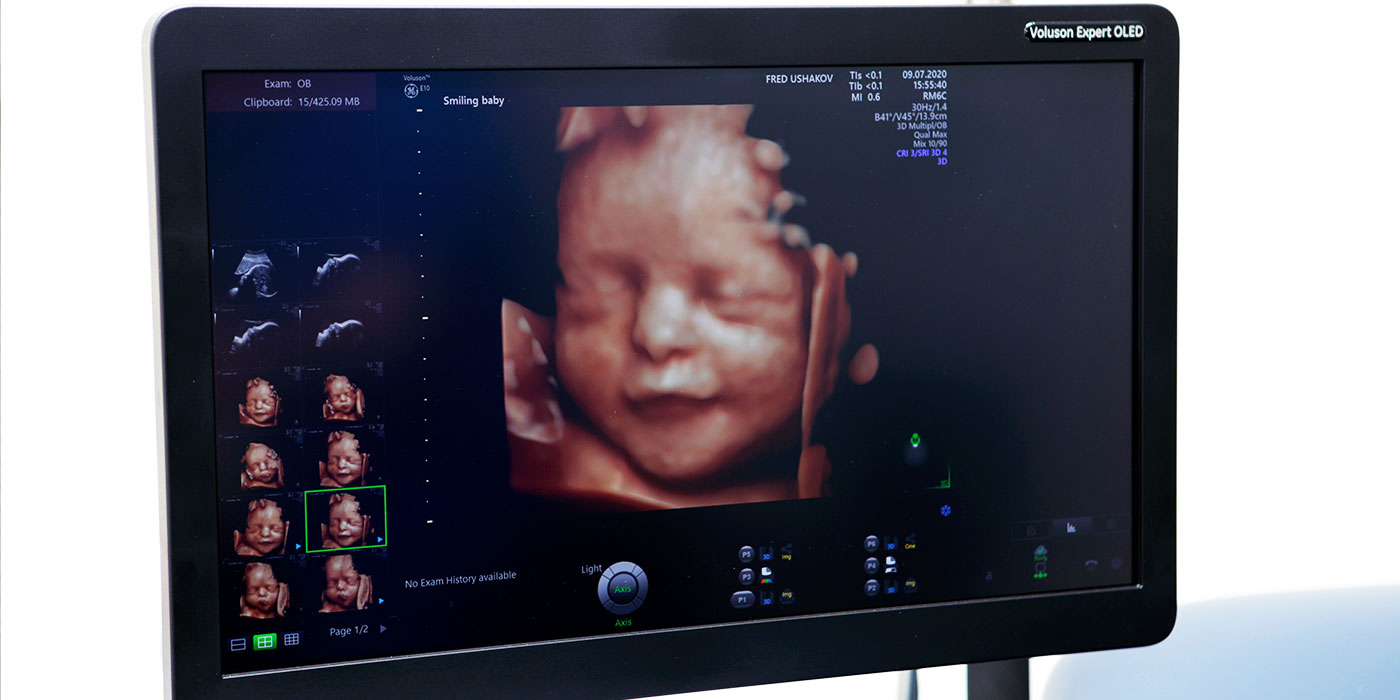
KNOVA NIPT test being performed at London Pregnancy Clinic showing advanced genetic screening technology

KNOVA NIPT: London Pregnancy Clinic Pioneers Advanced Genetic Screening in the UK

Published

Tags

The London Pregnancy Clinic stands as the pioneering force behind introducing KNOVA NIPT to the United Kingdom, establishing ourselves as the country’s leading authority in this revolutionary genetic screening technology. With hundreds of successful KNOVA NIPT procedures completed, our clinical team possesses unparalleled expertise that no other UK clinic can match, offering expectant parents the most advanced non-invasive prenatal testing available today.

What is KNOVA NIPT?

KNOVA NIPT (Non-Invasive Prenatal Testing) represents the cutting-edge of genetic screening technology, developed by Fulgent Genetics to provide comprehensive chromosomal analysis from a simple maternal blood sample. Unlike traditional screening methods, KNOVA NIPT can detect a wide range of genetic conditions with exceptional accuracy, typically achieving over 99% detection rates for common trisomies including Down syndrome (Trisomy 21), Edwards syndrome (Trisomy 18), and Patau syndrome (Trisomy 13).

This revolutionary test analyses cell-free foetal DNA circulating in the mother’s bloodstream, eliminating the need for invasive procedures such as amniocentesis or chorionic villus sampling. The technology behind KNOVA NIPT utilises advanced sequencing techniques to examine chromosomal abnormalities, microdeletions, and other genetic variations that could impact your baby’s health and development.

What sets KNOVA NIPT apart from other screening options is its comprehensive scope, capable of detecting up to 100 different chromosomal and genetic conditions. This extensive coverage provides expectant parents with detailed insights into their baby’s genetic profile, enabling informed decision-making throughout their pregnancy journey.

London Pregnancy Clinic: The UK’s KNOVA NIPT Pioneers

The London Pregnancy Clinic holds the distinguished position of being the first healthcare provider to introduce KNOVA NIPT to the United Kingdom. Our pioneering status isn’t merely historical; it represents years of dedicated research, clinical validation, and continuous refinement of testing protocols to ensure optimal outcomes for our patients.

Having performed hundreds of KNOVA NIPT procedures, our clinical team has accumulated invaluable expertise that extends far beyond simple test administration. We understand the nuances of patient counselling, the intricacies of result interpretation, and the importance of providing comprehensive support throughout the testing process. This depth of experience enables us to guide expectant parents through every aspect of their genetic screening journey with confidence and compassion.

Our pioneering work with KNOVA NIPT has established protocols and best practices that other clinics across the UK now follow. We continue to collaborate with Fulgent Genetics to advance the technology further, ensuring our patients always receive the most current and comprehensive genetic screening available. This commitment to innovation and excellence has made us the preferred choice for healthcare professionals and expectant parents seeking the highest standard of prenatal genetic testing.

The Science Behind KNOVA NIPT Excellence

KNOVA NIPT employs sophisticated next-generation sequencing (NGS) technology to analyse cell-free foetal DNA with remarkable precision. During pregnancy, small fragments of the baby’s DNA circulate in the mother’s bloodstream, typically comprising 3-13% of the total circulating DNA. Our laboratory partners utilise advanced bioinformatics algorithms to distinguish between maternal and foetal DNA sequences, enabling accurate detection of chromosomal abnormalities.

The test’s exceptional accuracy stems from its ability to analyse millions of DNA fragments simultaneously, creating a comprehensive genetic profile that traditional screening methods cannot achieve. This technological advancement allows KNOVA NIPT to detect not only common trisomies but also rare chromosomal conditions and microdeletions that affect fewer than 1 in 1000 pregnancies.

Our expertise in KNOVA NIPT extends to understanding the technical limitations and optimal timing for testing. We recommend performing the test after 9 weeks of pregnancy when foetal DNA levels are sufficient for accurate analysis. Our experienced phlebotomists ensure proper sample collection and handling, whilst our clinical team provides thorough pre-test counselling to ensure patients understand the scope and limitations of the screening.

Comprehensive Genetic Conditions Detected

KNOVA NIPT’s comprehensive screening capability encompasses a broad spectrum of genetic conditions, making it the most thorough non-invasive prenatal test available in the UK. The test categorises conditions into several key areas, each providing crucial information about your baby’s genetic health.

  • Common Trisomies: Down syndrome (Trisomy 21), Edwards syndrome (Trisomy 18), and Patau syndrome (Trisomy 13) with over 99% detection accuracy.
  • Sex Chromosome Abnormalities: Turner syndrome, Klinefelter syndrome, Triple X syndrome, and XYY syndrome affecting sexual development and fertility.
  • Rare Trisomies: Additional chromosomal duplications including Trisomies 9, 16, and 22 that can impact foetal development.
  • Microdeletions: Small chromosomal deletions including 22q11.2 deletion syndrome (DiGeorge syndrome), Prader-Willi syndrome, and Angelman syndrome.
  • Copy Number Variants: Chromosomal duplications and deletions that may affect intellectual development and physical characteristics.

Our extensive experience with KNOVA NIPT enables us to provide detailed counselling about each condition, helping parents understand the implications of positive results and the importance of confirmatory testing when necessary.

The KNOVA NIPT Testing Process

Our streamlined KNOVA NIPT process reflects years of refinement based on hundreds of successful procedures. The journey begins with a comprehensive consultation where our specialist team discusses your medical history, family background, and specific concerns about genetic conditions. This personalised approach ensures that KNOVA NIPT is appropriate for your individual circumstances.

The testing procedure itself is remarkably straightforward, requiring only a simple blood draw from the expectant mother. Our experienced phlebotomists ensure comfortable sample collection using specialised tubes designed to preserve cell-free DNA integrity. We combine this blood test with a detailed pregnancy assessment including ultrasound scanning to confirm gestational age and foetal viability.

Sample processing occurs in Fulgent Genetics’ state-of-the-art laboratories, where advanced sequencing technology analyses the genetic material. Results are typically available within 7-10 working days, after which our clinical team schedules a comprehensive results consultation to discuss findings, answer questions, and provide ongoing support as needed.

Clinical Advantages of Our Expertise

Our position as the UK’s KNOVA NIPT pioneers translates into tangible clinical advantages for our patients. Having performed hundreds of these tests, we have developed sophisticated protocols for managing complex cases, including multiple pregnancies, previous pregnancy complications, and patients with specific risk factors that may affect test accuracy.

Our clinical team’s extensive experience enables us to identify cases where KNOVA NIPT may provide inconclusive results, such as maternal mosaicism or confined placental mosaicism. We have established clear pathways for managing these situations, including repeat testing protocols and alternative screening strategies when appropriate.

Furthermore, our expertise extends to post-test management, including coordination with specialist genetic counsellors, foetal medicine specialists, and other healthcare providers when positive results require further investigation. We maintain strong relationships with leading UK genetic centres, ensuring seamless referral pathways for confirmatory testing and ongoing care.

Integration with the SMART Test Programme

KNOVA NIPT forms the cornerstone of our innovative SMART Test programme, which combines advanced genetic screening with detailed ultrasound assessment. This comprehensive approach, developed exclusively at the London Pregnancy Clinic, provides the most thorough evaluation of foetal health available in the UK.

The SMART Test KNOVA package includes two expert foetal scans alongside the genetic screening, creating a dual approach that maximises detection of both genetic and structural abnormalities. Our specialist sonographers perform detailed anatomical surveys whilst the KNOVA NIPT analyses chromosomal integrity, providing complementary information that enhances overall screening accuracy.

This integrated approach reflects our understanding that genetic conditions often have physical manifestations that can be detected through expert ultrasound examination. By combining these modalities, we can provide expectant parents with the most comprehensive assessment of their baby’s health, backed by our unparalleled expertise in both genetic screening and prenatal imaging.

Accuracy and Reliability

KNOVA NIPT demonstrates exceptional accuracy rates that have been validated through our extensive clinical experience. For common trisomies, the test achieves sensitivity rates exceeding 99%, with false positive rates remaining below 0.1%. These performance metrics represent real-world outcomes from our hundreds of completed tests, providing robust evidence of the technology’s clinical reliability.

Our experience has enabled us to identify factors that may influence test reliability such as medical history and genetic conditions. We use this knowledge to optimise testing protocols and provide patients with realistic expectations about test performance in their specific circumstances.

It’s important to understand that KNOVA NIPT is a screening test, not a diagnostic procedure. Positive results require confirmatory testing through amniocentesis or chorionic villus sampling. Our extensive experience includes managing the emotional and clinical aspects of positive results, ensuring patients receive appropriate support and timely access to confirmatory procedures when needed.

Patient Experience and Support

Our pioneering experience with KNOVA NIPT has taught us that technical excellence must be matched with exceptional patient care. We understand that genetic screening can provoke anxiety and uncertainty, which is why we have developed comprehensive support protocols that address both the clinical and emotional aspects of prenatal testing.

From initial consultation through results delivery, our patients benefit from continuous access to specialist support. We provide detailed pre-test counselling that explains the scope of conditions tested, the meaning of results, and the implications for pregnancy management. This educational approach empowers patients to make informed decisions about their genetic screening options.

Our post-test support includes detailed results consultations, access to genetic counselling services, and coordination with other specialists when additional care is required. We maintain long-term relationships with our patients, providing ongoing support throughout pregnancy and beyond when genetic conditions are identified.

Comparing KNOVA NIPT to Other Tests

Our extensive experience with multiple NIPT platforms positions us uniquely to advise patients about the advantages of KNOVA NIPT compared to alternative screening options. Unlike more limited tests that screen for only common trisomies, KNOVA NIPT provides comprehensive analysis of up to 100 genetic conditions, offering unparalleled screening breadth.

Traditional NHS screening programmes, whilst valuable, cannot match the scope and accuracy of KNOVA NIPT. The combined first trimester screening offered through the NHS detects approximately 85% of Down syndrome cases, compared to KNOVA NIPT’s >99% detection rate. Additionally, NHS screening cannot detect the rare genetic conditions and microdeletions that KNOVA NIPT identifies.

When compared to other private NIPT options, KNOVA NIPT’s comprehensive panel and advanced technology provide superior clinical value. Our experience demonstrates that patients increasingly prefer comprehensive screening that can detect rare conditions, particularly when family history or other risk factors suggest increased genetic risk.

How the London Pregnancy Clinic Can Help

As the UK’s pioneering KNOVA NIPT provider, the London Pregnancy Clinic offers unmatched expertise in advanced prenatal genetic screening. Our specialist team combines extensive clinical experience with state-of-the-art technology to provide the most comprehensive genetic assessment available to expectant parents.

We offer flexible appointment scheduling at our modern clinic locations, with same-day results consultations available when needed. Our integrated approach combines KNOVA NIPT with expert ultrasound assessment, providing comprehensive evaluation of both genetic and structural foetal development.

Our commitment to excellence extends beyond testing to include comprehensive patient support, detailed counselling services, and seamless coordination with other specialists when additional care is required. We maintain the highest standards of clinical governance whilst providing the personalised care that makes genetic screening as comfortable and informative as possible.

For expectant parents seeking the most advanced genetic screening available, combined with unparalleled clinical expertise, the London Pregnancy Clinic represents the gold standard in UK prenatal care. Our pioneering work with KNOVA NIPT continues to set new benchmarks for genetic screening excellence.

Final Thoughts

The London Pregnancy Clinic’s pioneering role in introducing KNOVA NIPT to the UK reflects our unwavering commitment to advancing prenatal care through innovative technology and clinical excellence. Our extensive experience with hundreds of successful procedures has established us as the nation’s leading authority in comprehensive genetic screening.

For expectant parents seeking the most advanced genetic screening available, KNOVA NIPT offers unparalleled insight into their baby’s genetic health. Combined with our expert clinical team’s guidance and support, this technology provides the foundation for informed decision-making throughout pregnancy.

If you’re considering genetic screening during pregnancy, we invite you to benefit from our pioneering expertise and comprehensive approach to prenatal care. Contact the London Pregnancy Clinic today to schedule your consultation and discover how our KNOVA NIPT experience can provide you with the confidence and reassurance you deserve during this important time.

Latest Stories

Continue reading

Basic vs Extended NIPT

Basic vs Extended NIPT explained London Pregnancy Clinic.

Choosing the Best NIPT Clinic in London: A Comprehensive Guide for Expectant Parents

Published

Tags

Non-invasive prenatal testing (NIPT) has revolutionised prenatal screening by providing expectant parents with a highly accurate and safe method of detecting genetic conditions in the fetus. However, not all NIPTs are created equal. Understanding the difference between basic and extended NIPT is crucial for making informed decisions during pregnancy. In this article, we will explore the key distinctions between these two types of NIPT and the implications they have for prenatal care.

What is Basic NIPT?

Basic NIPT focuses primarily on detecting common chromosomal aneuploidies. These include:

  1. Trisomy 21 (Down syndrome): The most frequently occurring aneuploidy, characterised by an extra copy of chromosome 21. This condition is associated with a spectrum of developmental delays, intellectual disabilities, and physical features such as hypotonia, a flat facial profile, and a single palmar crease.
  2. Trisomy 18 (Edwards syndrome): Associated with severe developmental delays and physical abnormalities.
  3. Trisomy 13 (Patau syndrome): A rare but severe condition linked to profound developmental issues.
  4. Many basic NIPTs include sex chromosome aneuploidies, conditions that affect the number of X or Y chromosomes, such as Turner syndrome (45,X) and Klinefelter syndrome (47,XXY).

Basic NIPT typically provides results with high sensitivity and specificity for these conditions. Among the conditions tested, NIPT has the highest sensitivity and specificity for trisomy 21, and its diagnostic performance is lower for trisomy 18 and trisomy 13. However, sex chromosome aneuploidies are known to have a relatively low positive predictive value (PPV), which means they may result in a high false positive rate.

What is Extended NIPT?

Extended NIPT goes beyond the common aneuploidies to screen for additional genetic conditions. This comprehensive approach includes three distinct levels of genetic screening:

Aneuploidies

As with basic NIPT, extended screening includes common trisomies (Down, Edwards, and Patau syndromes) and sex chromosome aneuploidies, but it also assesses rarer autosomal aneuploidies affecting other chromosomes. Importantly, checking for additional syndromes does not compromise the performance of the test for trisomy 21 (Down syndrome).

Microdeletions

Microdeletions are variants of structural chromosomal anomalies. They involve the loss of small but critical segments of DNA within a chromosome. These missing segments can contain multiple important genes, leading to severe and sometimes life-altering conditions. Some microdeletions are more severe than Down syndrome (trisomy 21). Examples of microdeletion syndromes are:

  • 22q11.2 deletion syndrome (DiGeorge syndrome): Associated with heart defects, immune dysfunction, and developmental delays.
  • Cri-du-chat syndrome: Caused by a deletion on chromosome 5, leading to intellectual disability and distinctive physical features.
  • Prader-Willi and Angelman syndromes: Resulting from deletions on chromosome 15, with unique clinical presentations.

Single-Gene Disorders (monogenic syndromes)

Most genetic syndromes in children are related to monogenic (single-gene) disorders. These tests screen for mutations in individual genes that may cause de novo or hereditary conditions. Many of these single-gene disorders can be associated with physical and/or intellectual disabilities. Examples include:

  • Achondroplasia: A de novo mutation resulting in a common form of dwarfism.
  • Apert syndrome: A genetic condition characterised by craniosynostosis (premature fusion of skull bones), distinctive facial features, and fusion of fingers, often leading to functional and aesthetic challenges.
  • Noonan syndrome: A condition with features like heart defects, developmental delays, and distinct facial characteristics.
  • Cystic fibrosis: A hereditary condition affecting the respiratory and digestive systems.

Benefits of Extended NIPT

Extended NIPT provides a more detailed assessment of the fetus’s genetic health. It is particularly advantageous in the following scenarios:

  • High-risk pregnancies: For parents with a family history of genetic conditions, prior pregnancies affected by genetic disorders, advanced maternal and/or paternal age, or IVF pregnancies, extended screening can offer invaluable insights.
  • Unexplained ultrasound findings: When ultrasound findings or abnormalities suggest a potential genetic condition, extended NIPT can help clarify the diagnosis.
  • In cases of increased nuchal translucency (high NT), when parents prefer to avoid invasive diagnostic tests such as CVS or amniocentesis and opt for NIPT, it is essential to consider the limitations of basic NIPT. Basic NIPT does not screen for many genetic syndromes associated with increased NT. In such situations, extended NIPT can be a preferred option, as it includes screening for monogenic conditions like Noonan syndrome, Kabuki syndrome, severe skeletal dysplasias, and other syndromes, as well as microdeletions such as 22q11.2 deletion syndrome (DiGeorge syndrome).
  • An additional test after normal CVS or amniocentesis results for common trisomies (Down, Edwards, and Patau syndromes) and microdeletions/microduplications is often recommended. Unfortunately, for many parents, the standard invasive diagnostic test does not check for most genetic syndromes. To check for monogenic syndromes (single gene disorders), someone needs to have a test called exome or whole genome sequencing (WGS). Extended NIPT, looking for selected monogenic syndromes, will have an additional value in those cases. It cannot replace the exome but will screen for common and serious monogenic conditions.
  • Reproductive planning: Knowledge of single-gene disorders or microdeletions can inform reproductive decisions, such as choosing between continuing or terminating a pregnancy, planning for specialised care or interventions post-birth, and understanding the likelihood of recurrence in future pregnancies. This information also helps families prepare emotionally and financially for potential medical needs after birth.

Choosing Between Basic and Extended NIPT

While extended NIPT offers a broader scope of screening, it also comes with additional considerations:

  1. Cost: Extended NIPT is typically more expensive than basic NIPT, which may influence accessibility.
  2. Time-Consuming: Because of the complexity of the tests, some of the extended NIPTs can have much longer turnaround time.
  3. False Positives: Screening for microdeletions and sex chromosome aneuploidies may yield higher rates of false positives compared to basic NIPT, necessitating confirmatory diagnostic tests such as amniocentesis or chorionic villus sampling (CVS). Among the various conditions tested, extended NIPT shows the poorest performance for these two categories due to different biological and technical challenges.
  4. False-Negatives: All NIPTs are screening tests and can have false-negative results due to technological limitations and biological reasons. Many genetic conditions are associated with multiple genes, and these tests are designed to detect only known and relatively common pathogenic mutations, leaving rarer or unknown variants undetected.
  5. There is a small possibility of identifying a pathogenic single-gene variant (mutation) inherited from a parent. For example, a parent may carry a mild or subclinical form of a genetic disorder without being aware of it. Thorough genetic counselling is essential in such cases to evaluate the potential impact of this variant on the unborn child and to provide tailored advice for the family.
  6. Counselling Needs: The complexity of results from extended NIPT often requires detailed genetic counselling to help families understand the findings and their implications.
  7. Only highly advanced genomic laboratories can develop extended NIPT tests capable of detecting monogenic conditions and microdeletions. While these branded extended NIPTs are extensively evaluated and validated internally, they still lack independent validation. It is essential to mention that even basic NIPTs, such as the widely used TDL NIPT in London, have not been validated by external organisations, leaving the actual performance of these tests uncertain.

Genetic Labs and Their Brands of Extended NIPT

Fulgent Genetics (US), an accredited leader in clinical diagnostic genetic sequencing, provides the KNOVA test, which screens for a wide range of single-gene disorders and chromosomal anomalies. KNOVA features a meticulously curated panel of de novo genetic conditions designed to optimise diagnostic performance while minimising false-positive rates. Currently, KNOVA is regarded as one of the best choices for extended NIPT panels in the UK. At London Pregnancy Clinic we offer it as part of out state-of-the-art SMART Test NIPT screening method.

Natera’s (US) Panorama test, which includes screening for microdeletions, and the separate Vistara test, focuses on single-gene disorders. Natera was a pioneer in the development of extended NIPT; however, other companies now offer more comprehensive screening panels. Notably, the Panorama test for 22q11.2 deletion syndrome is the only extended NIPT validated by an independent study, demonstrating a detection rate of approximately 80% and a positive predictive value of about 50%.

Eurofins Genoma (Italy) offers the PrenatalSafe Complete Plus test, which screens for all aneuploidies, microdeletions, and selected monogenic disorders. A unique feature of this test is its ability to screen for cystic fibrosis and its applicability in cases of vanishing twin syndrome. However, PrenatalSafe Complete Plus has a limited monogenic disorders panel, a very long turnaround time, and is relatively expensive.

BGI Genomics (China) features the NIFTY Mono test, specialising in detecting monogenic conditions and other genetic anomalies. Nifty Mono offers probably the most comprehensive panel, screening for hundreds of chromosomal and genetic disorders. However, there are significant concerns regarding the use of patient data by BGI. In 2023, a group of MPs and peers in the UK submitted a letter to the Information Commissioner’s Office, requesting an investigation into privacy concerns surrounding BGI Group, particularly its NIFTY prenatal tests.

BillionToOne (US) offers the UNITY test, which uniquely combines carrier screening with fetal screening. UNITY screens for inherited single-gene disorders such as cystic fibrosis, sickle cell anaemia, and thalassemias, providing detailed insights into both parental and fetal genetic health. Notably, the UNITY and KNOVA panels are complementary, enabling enhanced diagnostic performance when used together. 

Read more

Final Thoughts.

Choosing between basic and extended NIPT depends on individual circumstances, risk factors, and the level of detail desired in genetic screening. While basic NIPT provides robust detection of common aneuploidies, extended NIPT offers a deeper dive into genetic health by screening for microdeletions and single-gene disorders. It is anticipated that future developments in extended NIPT panels will increasingly focus on screening for monogenic (single-gene) disorders, given their clinical significance and the growing demand for more comprehensive prenatal testing options. Consulting with healthcare professionals and genetic counsellors can help families navigate these choices and ensure the best possible care for both the expectant mother and her baby.

When choosing a clinic for your NIPT, ensure they use advanced high-resolution ultrasound technology for the pre-test scan. High-quality imaging allows for a more accurate assessment of fetal health, which is crucial, particularly in the early stages of pregnancy (10-11 weeks). Avoid clinics with outdated or low-resolution scanners, as this can compromise the accuracy of the scan and potentially impact the performance of your NIPT.

Latest Stories

Continue reading

NIPT and Scan: Why We Champion This Dual Approach

Graphic of a baby footprint in a heart with DNA strand on either side.

NIPT and Scan Approach: Why We Champion This Screening Method at London Pregnancy Clinic

Published

Tags

At the London Pregnancy Clinic, we’re dedicated to providing expectant mothers with advanced screening options and the highest level of care. We firmly recommend combining Non-Invasive Prenatal Testing (NIPT) and Ultrasound screening. Let’s explore why we endorse NIPT and Scan approach and how it benefits our patients.

Why Choose Both NIPT and scan?

Comprehensive Screening:  

Ultrasound visually assesses the baby’s anatomy, checking for physical abnormalities and measuring growth. NIPT, known by brand names like Natera’s Panorama AI or Eurofins’ PrenatalSafe, examines fetal DNA in the mother’s bloodstream, providing insights into potential chromosomal abnormalities like Down’s Syndrome, Edwards syndrome, and Patau syndrome.

Increased Accuracy and Early Detection:  

By merging Ultrasound’s structural insights with genetic data from NIPT, we significantly reduce false positives and offer more accurate results. As early as 10 weeks, when your baby is the size of a strawberry, we initiate the dual screening process. At this stage, we conduct the earliest possible structural anomaly scan, the Ten-week Anomaly Scan, to search for structural anomalies that NIPT can’t detect. We can rule out severe physical abnormalities like Acrania, Spina bifida, Absence of arms, hands, legs or feet, and Alobar holoprosencephaly. Only after confirming your baby’s structural development do we proceed with the NIPT test.

UNDERSTANDING THE TECHNOLOGY

Ultrasound Screening: 

Ultrasound employs sound waves to create images of the baby in the womb. A small probe, called a transducer, moves over the mother’s abdomen. The transducer emits high-frequency sound waves that bounce off the baby’s structures, and these echoes are converted into images on a screen.

Non-Invasive Prenatal Testing (NIPT): 

NIPT is a simple blood test taken from the expectant mother. This test detects tiny fragments of the baby’s DNA circulating in the mother’s bloodstream. By analysing these fragments, we can determine the risk of certain chromosomal conditions.

Is It Safe?

Absolutely. Both Ultrasound and NIPT are non-invasive and pose minimal to no risk to both mother and baby. However, it’s important to note that while NIPT is highly effective, it’s not a definitive diagnostic test. In cases of low negative predictive value, our doctors may recommend invasive tests like CVS or amniocentesis, which carry minimal miscarriage risk.

Our NIPT Options

As early as…
  • 10 weeks

  • 9 weeks

  • 10 weeks

Turnaround (Working Days)
  • 2-4

  • 5-7

  • 5-7

Lab Location
  • UK

  • US

  • US

No Call Results
  • <1%

  • <1%

  • <1%

Redraw Rate
  • 2%

  • 3%

  • 2%

Edward’, Patau & Down’s Syndrome
  • ✔

  • ✔

  • ✔

Di George Syndrome (22q del)
  • ✖

  • ✔

  • ✖

Triploidy
  • ✖

  • ✔

  • ✖

Turner Syndrome (45X)
  • ✖

  • ✔

  • ✔

Sex chromosomes aneuploidies
  • ✖

  • ✔

  • ✔

Twin pregnancies
  • ✖

  • Best

  • ✖

Vanishing twin syndrome
  • ✔

  • ✖

  • ✔

Fetal sex reveal (optional)
  • ✔

  • ✔

  • ✔

Scan + NIPT Price
  • £540

  • £540

  • £490

Extended NIPT + Scan Options
  • SMART Test £1690

  • Microdeletions £790

  • Rare Diseases £790

Other Early Ultrasound Screenings Offered

For those looking to delay their first scan, London Pregnancy Clinic offers pioneering Early Ultrasound Screenings, including the Early Fetal Scan conducted between 12 and 16 weeks, which can exclude more than one hundred serious anomalies. Additionally, our Early Fetal Echocardiography is designed to identify up to 80% of detectable severe fetal heart defects. It is a scan we highly recommend this scan for all babies with increased nuchal translucency (NT) measurements, fetal anomalies, or other unusual findings detected at 11-13 weeks scan.

Conclusion

At the London Pregnancy Clinic, we believe in providing the most comprehensive care possible. By endorsing the dual Ultrasound and NIPT approach, we ensure that our patients receive a detailed, accurate, and safe assessment of their baby’s health. Whether you choose the ten-week scan or another early anomaly scan, we’re here to guide and support you every step of the way.

If you have further questions or would like to schedule an NIPT and scan, please contact the London Pregnancy Clinic.

Book NIPT + Scan from £490

Latest Stories

Continue reading

Choosing the Best NIPT Clinic in London

Choosing the Best NIPT Clinic in London: A Comprehensive Guide for Expectant Parents

Published

Tags

Congratulations on your pregnancy! As you embark on this exciting journey, it’s essential to prioritise your baby’s health and well-being. One crucial aspect of prenatal care is Non-Invasive Prenatal Testing (NIPT), a revolutionary genetic screening tool that provides valuable information about your baby’s health. However, selecting the right clinic for this test, given the complexity of the test and the critical information it yields, requires careful consideration of various factors to ensure accurate results and proper management. In this article, we will explore the essential factors to consider when choosing the best NIPT clinics in the UK.

Expertise of Medical Professionals

One of the primary factors to consider is the expertise of the medical professionals running the clinic. Ideally, you should seek a clinic that is led by fetal medicine specialists. These specialists possess advanced knowledge in, antenatal care, fetal development, and genetics, ensuring you receive the most accurate and reliable information about your baby’s health.

NIPT Technology

The type of NIPT technology utilised by the clinic is a crucial factor in determining the accuracy of the results. Advanced technologies like Whole Genome Sequencing (WGS) or Single Nucleotide Polymorphism (SNP) are preferred over outdated microarrays, as they offer greater sensitivity and precision.

Range of NIPT Options

An excellent NIPT clinic should offer a variety of test options to cater to individual needs. However, it is essential that they can explain the differences between the tests comprehensively. Furthermore, clinics that use multiple providers may offer a broader range of NIPT options, ensuring you receive the most suitable test for your specific circumstances.

NIPT Failure Rate

Inquire about the clinic’s NIPT failure rate or “no call” results. A high failure rate can lead to inconclusive outcomes, necessitating further testing and causing unnecessary stress. Check if the clinic has its own audits regarding performance of different brands of NIPT they use. Look for a clinic that uses a NIPT brands with low failure rate to increase the chances of obtaining reliable results.

Performance of Extended Options

If the clinic offers extended NIPT options, ensure they are aware of the test’s performance and validation studies including false negative and false positive rates. Additionally, verify that the clinic has robust referral pathways for genetic counselling and diagnostic testing to assist you in making informed decisions if further testing is required.

Before undergoing the extended NIPT, if you have specific concerns about rare genetic conditions like achondroplasia, DiGeorge syndrome, Noonan syndrome, or cystic fibrosis, it is crucial to contact the clinic beforehand. Ensure that the clinic offers the type of advanced NIPT that can detect these specific rare diseases. Not all advanced NIPT tests are created equal, and by reaching out to the clinic in advance, you can confirm whether they provide the extended NIPT options necessary to address your specific concerns. This proactive approach will help you make an informed decision and choose the most suitable clinic for your needs.

Pre NIPT Counselling and Scans

A reputable clinic should provide pre NIPT counselling that covers essential aspects such as the explanation of NIPT tests, failure rates, turnaround times, and more. Additionally, they should perform a comprehensive scan before the NIPT blood draw to rule out severe fetal anomalies. This step is crucial as it prevents unnecessary NIPT testing on a baby with lethal or severe structural (physical) anomalies. Remember that structural anomalies are more common than Down syndrome.

Ultrasound Technology

Inquire about the ultrasound technology used by the clinic for the scan before NIPT blood draw. Advanced high-resolution ultrasound scanners provide clearer images and a more accurate assessment of fetal health. Avoid clinics that use outdated or low-resolution scanners, as this may affect the quality and accuracy of the scans especially at early stages of gestation (10-11 weeks). Incorrect scan information can significantly affect NIPT performance.

NIPT + Scan Price

While price is an important consideration, it should not be the sole determining factor. Lower-priced clinics may compromise on overall performance, can use not clinically validated NIPT brands or uncertified NIPT laboratories and fail in providing care in the cases of abnormal or inconclusive results. This may lead to further unexpected testing expenses. On the other hand, some high prices may be due to the clinic’s premium location, which doesn’t necessarily reflect the quality of services provided.

Read more

Conclusion

Selecting the best NIPT clinic is a critical decision that directly impacts your baby’s health and your peace of mind during pregnancy. Look for a clinic led by fetal medicine specialists, equipped with state-of-the-art NIPT and ultrasound technology, and with a comprehensive range of test options. The clinic should prioritise pre NIPT counselling and baby’s ultrasound scanning to ensure you receive the most accurate and relevant information. Remember, the best clinic will prioritise the well-being of you and your baby, providing the support and care you need during this beautiful journey.

Latest Stories

Continue reading

Private NIPT Cost in London UK

Non-Invasive Prenatal Testing (NIPT) Cost in London

Published

Tags

NIPT, or Non-Invasive Prenatal Testing, is currently the safest and most accurate way to screen for chromosomal anomalies before your baby is born. However, NIPT cannot detect any physical or structural anomalies, which represent almost 2/3 of the fetal anomalies. That’s why we recommend doing NIPT with an early anomaly ultrasound scan from £490. 

Short history of NIPT

  • NIPT was first introduced in 2011 by Sequenom, using next-generation sequencing to analyze cell-free fetal DNA in maternal blood. This allowed screening for trisomies 21, 18 and 13.
  • In 2012, Ariosa Diagnostics (now Roche) launched the Harmony test, also using cfDNA analysis. Natera’s Panorama test entered the market shortly after.
  • These first-generation tests analyzed chromosomes 21, 18 and 13. Around 2013, companies began expanding NIPT to screen for sex chromosome aneuploidies.
  • By 2016, Illumina had acquired Verinata, making them a major NIPT provider. Labs like Natera, Illumina, Roche and BGI continued enhancing their tests.
  • In 2019, Illumnia launched the VeriSeq NIPT Solution v2 which added screening for microdeletions. Other labs followed with expanded NIPT panels.
  • Currently, the major players providing NIPT globally are BillionToOne Unity, EuroFins PrenatalSAFE, Illumina, Natera, Roche/Ariosa, BGI, Yourgene Health, and PerkinElmer’s Labcorp. Some operate as test manufacturers while others partner with labs.
  • NIPT technology and capabilities continue to advance rapidly. It is now recommended by many professional societies as a first-tier prenatal screening test due to higher accuracy than traditional serum screening. Adoption continues rising globally.

The importance of Ultrasound screening

There are a few key reasons why it is important to have an ultrasound scan in conjunction with NIPT:

  • NIPT is a screening test, not a diagnostic test. Ultrasound helps confirm or identify potential fetal anomalies through visual imaging rather than just a probability result.
  • Ultrasound provides important information that NIPT does not, including confirming gestational age, fetal presentation, number of fetuses, placental location, anatomical structures, and growth measurements.
  • Soft markers for aneuploidy like increased nuchal translucency, absent nasal bone, echogenic bowel or cardiac anomalies may be detected on ultrasound but not by NIPT.
  • If ultrasound dates do not match LMP dating, it can affect the accuracy of NIPT results. Ultrasound provides more precise gestational age.
  • Ultrasound helps determine if discordant NIPT results may be due to placental, vanishing twin or maternal malignancy issues.
  • Some structural defects like neural tube defects are not screened for by standard NIPT panels but may be visible on ultrasound.
  • Ultrasound provides live visualisation of the fetus, which can help make NIPT results feel more real for parents.

While NIPT is an invaluable screening tool, ultrasound adds important clinical information and imaging. Following up abnormal NIPT results with ultrasound helps determine next steps for diagnosis and pregnancy management.

What is currently offered by the NHS?

The NHS Fetal Anomaly Screening Programme screens for the following anomalies:

  • Down’s syndrome (trisomy 21)
  • Edwards’ syndrome (trisomy 18)
  • Patau’s syndrome (trisomy 13)
  • Anencephaly
  • Congenital heart defects
  • Cleft lip
  • Exomphalos
  • Gastroschisis
  • Spina bifida
  • Serious musculoskeletal problems (such as limb reduction defects)

The screening is offered to all pregnant women between 10-14 weeks of pregnancy. It involves a blood test to measure two pregnancy hormones in the mother’s blood along with an ultrasound scan (nuchal translucency scan).

The screening provides a risk assessment as to the likelihood of the baby having one of the conditions, but it is not a diagnostic test. Those with a high-risk result are offered further tests such as amniocentesis or chorionic villus sampling to confirm a diagnosis.

The NHS screening programme aims to identify potential problems early in pregnancy so parents can make informed choices and access appropriate antenatal care and treatment if needed.

Latest Stories

Continue reading

Harmony NIPT Test – Yesterday’s News

Harmony NIPT Test – Yesterday’s News

Published

Tags

TDL Genetics ends Harmony NIPT provision after a decade. With outdated technology, high no-call rates, and fierce competition, Harmony loses its shine. As leading NIPT providers, we’re reviewing TDL’s new offering. But for now, our advanced menu offers the latest prenatal screening. Remember – ultrasound still crucial for detecting 2/3 of fetal abnormalities.

End of an era…

TDL Genetics (The Doctor’s Laboratory) have announced last week that it will cease providing Harmony NIPT in its UK laboratories. TDL started providing Harmony Non-Invasive Prenatal Screening back in 2013.

Harmony NIPT, which was introduced by Ariosa Diagnostics in 2013, was for a long time a gold standard in Non-Invasive Prenatal Testing. The company was later acquired by the Swiss giant Roche Holdings, which was very successful at marketing the test and in many countries, the brand name ‘Harmony Test’ has become synonymous with ‘NIPT’. In the UK, this was particularly the case as it was one of the first NIPT tests to be approved by the NHS, and it offered in many state hospitals.

NIPT was first introduced by the now-defunct Sequenom, using the brand name MaterniT21Plusâ„¢, which was approved by the FDA in 2011. Harmony Test pioneered a new method of NIPT screening using a different cfDNA sequencing method. Harmony NIPT exhibited excellent clinical performance data at the time, helping it solidify its status as the preferred NIPT test by many healthcare professionals.

The future looks good!

In the past 10 years, NIPT has become a heavily researched space, meaning that many companies have raced to create their own NIPT test using a host of advanced technologies. A couple of such competitors are Natera’s ‘Panorama Test’ and Erofins’ ‘PrenatalSAFE Test’. This increased level of competition meant that patients could now benefit from much more advanced tests for chromosomal anomalies such as Down’s syndrome and screening for rare genetic diseases.

In this time, Harmony NIPT has fallen behind in terms of its technology versus the new tests. Furthermore, the equipment used for the test has become dated and as such many of the tests performed by TDL ended up failing to produce conclusive results due to ‘quality control issues’. These so-called ‘no-call’ results, or failure of one of the testing tubes, have become so prevalent with the samples we sent to TDL that we raised our first of many complaints with TDL back in 2021. Unfortunately, these lab challenges caused significant emotional distress for our expectant parents and frustration for our clinic’s team.

NIPT at London Pregnancy Clinic

In light of these developments, at London Pregnancy Clinic, being one of the top NIPT providers in the UK and leading international experts in fetal medicine, we set on the path of finding the best alternative NIPT. We were one of the first clinics in the UK to offer the advanced NIPT test from Invitae back in 2021. Since then, we have worked with many NIPT brands and have helped hundreds of patients navigate the best NIPT choice for them.

Our clinical team has spent months interviewing the laboratory teams of all major NIPT providers as well as auditing their clinical performance. We are now the leading provider of NIPT in London, and we feel responsible for our patients’ pathway to choose the best option in the market at every given time. We have the experience of providing the Harmony NIPT and other NIPTs, and the expertise to distinguish the performance of each test in the market. We do not offer any NIPT without thoroughly reviewing its characteristics and clinical data.

As of TDL’s new NIPT option, namely the Illumina VeriSeq NIPT, we are still waiting for the lab to send us clinical performance data and set up an interview with the lab team before we are able to offer the test to our patients. For now, we have many questions for the lab given the poor quality of performance of the Harmony NIPT in terms of no-call results which was much higher than Roche’s advertised levels from our experience. In the meantime, we are confident that our current menu of NIPT tests is the latest and most advanced screening options in the market with similar turnaround times to TDL.

As always, we will keep reminding our patients that NIPT should be done alongside a complete examination of the fetal anatomy via an ultrasound scan. The NIPT marketing machine has helped raise awareness of certain chromosomal anomalies, in particular Down’s Syndrome. However, NIPT can give you a false sense of reassurance as it is useless in screening for structural anomalies (physical defects) representing more than 2/3 of known fetal abnormalities and can often be detected using ultrasound.

Latest Stories

Continue reading

Unravelling Microdeletions: Their Causes, Risk Factors, Common Types, and Screening Methods

Microdeletions are a topic of extensive genetic research. These small deletions in the DNA sequence of a chromosome can have significant implications on an individual’s health. In this comprehensive blog post, we delve into the causes, risk factors, ten most common types of microdeletions, their prevalence, and the role of Non-Invasive Prenatal Testing (NIPT) in their detection.

What are Microdeletions?

Microdeletions are tiny losses of genetic material in the DNA sequence of a chromosome. These minute changes are typically undetectable under a standard microscope, hence the term ‘micro’. However, despite being minute, these deletions can lead to significant health and developmental problems, as they may disrupt several genes essential for growth and development.

Causes and Risk Factors

The exact cause of microdeletions remains unknown, and their occurrence seems largely spontaneous. They typically occur during the formation of reproductive cells or in early foetal development, resulting from a mistake in the cell’s DNA replication process.

In terms of risk factors, there’s no established link between microdeletions and parental age, ethnicity, or lifestyle. These changes can happen in any pregnancy, but familial history can increase the chances if a parent has a balanced translocation or an inherited microdeletion.

The Ten Most Common Microdeletion Syndromes

Here’s a list of ten of the most common microdeletion syndromes, along with their estimated prevalence:

SyndromeApproximate Prevalence
1. DiGeorge Syndrome (22q11.2 deletion syndrome)1 in 3,000 – 1 in 6,000
2. Williams Syndrome (7q11.23 deletion syndrome)1 in 7,500 – 1 in 20,000
3. Prader-Willi Syndrome1 in 10,000 – 1 in 25,000
4. Angelman Syndrome1 in 10,000 – 1 in 20,000
5. Cri-du-chat Syndrome (5p- syndrome)1 in 20,000 – 1 in 50,000
6. 1p36 Deletion Syndrome1 in 5,000 – 1 in 10,000
7. Wolf-Hirschhorn Syndrome (4p- syndrome)1 in 20,000 – 1 in 50,000
8. Smith-Magenis Syndrome (17p11.2 deletion syndrome)1 in 15,000 – 1 in 25,000
9. Alagille Syndrome (20p12 deletion syndrome)1 in 30,000 – 1 in 50,000
10. Rubinstein-Taybi Syndrome1 in 100,000 – 1 in 125,000

Microdeletions, in general, occur in approximately 1 in every 1,000 births, making them a significant contributor to genetic disorders. Just to compare Down’s Syndrome, the most common chromosomal disorder affects approximately 1 in 1,000 to 1 in 1,100 live births worldwide. The frequency of Down’s Syndrome increases significantly with the mother’s age, particularly from 35 years onwards whereas microdeletions are believed to occur randomly.

Microdeletion Screening: The Role of NIPT

Screening for microdeletions has been revolutionised by advancements in genetic testing, particularly with the introduction of Non-Invasive Prenatal Testing (NIPT). This screening test, performed from the 10th week of pregnancy, analyses cell-free DNA in the maternal blood to identify common chromosomal abnormalities and microdeletions. NIPT poses no risk to the foetus and offers a safer alternative to invasive diagnostic procedures.

Though NIPT has high accuracy rates, it’s crucial to understand that a ‘positive’ result indicates an increased risk, not a definitive diagnosis. Positive NIPT results should always be confirmed through diagnostic tests such as amniocentesis or chorionic villus sampling (CVS).

There are a number of NIPT providers who offer screening for microdeletions, such as Panorama NIPT, Unity NIPT and PrenatalSAFE.

Conclusion

While the world of microdeletions might seem complex, understanding them is crucial to advancing our knowledge of genetic disorders. Early detection, made possible by advanced screening methods like NIPT, allows for better preparation and potential intervention. As research continues to evolve, we can hope for even more effective detection and management of these genetic changes, ultimately leading to improved healthcare and patient outcomes.

Remember, if you have any concerns or questions about genetic disorders or prenatal testing, it’s always advisable to consult with a healthcare professional who can provide tailored advice based on your individual circumstances.

DiGeorge Syndrome: Causes, Risk Factors, Screening and Prevalence

DiGeorge Syndrome, also commonly known as 22q11.2 deletion syndrome (or simply 22q del,) is a complex and multifaceted disorder that many people may not be aware of. This blog post aims to shed light on the causes and risk factors of DiGeorge Syndrome, discuss screening options such as Non-Invasive Prenatal Testing (NIPT), and compare its prevalence with conditions such as Down’s Syndrome.

Understanding DiGeorge Syndrome (22Q DEL)

DiGeorge Syndrome is a chromosomal disorder caused by the deletion of a small piece of chromosome 22, specifically on the q11.2 region. The deletion happens spontaneously during the formation of reproductive cells or in early fetal development. The primary cause of 22q del is unknown, and it typically isn’t inherited from the parents.

The syndrome is characterised by a wide range of potential symptoms, including heart defects, certain facial features, and learning difficulties.problems with immune system and other abnormalities. Unfortunately, 22q del syndrome is also associated with learning difficulties and psychiatric or behavioural problems like autism and schizophrenia. Due to its complex nature, different individuals affected may present a different set of symptoms, making it a highly variable condition.

Risk Factors

Although the exact cause of the chromosomal deletion leading to DiGeorge Syndrome is unknown, it’s not typically associated with the age of the parent, unlike some other genetic disorders. The occurrence appears to be mostly random, which means that all pregnancies, irrespective of familial history, have a minimal but real risk.

Screening for DiGeorge Syndrome: The Role of NIPT

Non-Invasive Prenatal Testing (NIPT) has emerged as an invaluable tool for the early detection of several genetic disorders, including DiGeorge Syndrome. NIPT analyses cell-free DNA in the maternal blood to detect common chromosomal abnormalities. This test can be performed from the 10th week of pregnancy and poses no risk to the fetus.

While NIPT is highly accurate for detecting common trisomies like Down’s Syndrome (trisomy 21), Edwards’ syndrome (trisomy 18), and Patau’s syndrome (trisomy 13), it’s also valuable for identifying deletions like those causing DiGeorge Syndrome. It’s essential to remember, however, that a positive NIPT result for DiGeorge syndrome should be confirmed with diagnostic tests like amniocentesis or chorionic villus sampling (CVS) for a definitive diagnosis.

Not all NIPT provider offer reliable screening for DiGeorge Syndrome. Recently, the Panorama AI NIPT demonstrated impressive clinical performance for screening Di George Syndrome, you can read more about the study here. In well-designed prospective study Panorama Test was able to detect more than 80% of the fetuses affected by 22q del, showing an outstanding 50% positive predicted value.

Prevalence of DiGeorge Syndrome vs Down’s Syndrome

DiGeorge Syndrome is considered one of the most common genetic syndromes, second only to Down’s Syndrome. In the general population, it’s estimated to affect between 1 in 2,000 to 1 in 4,000 live births. Younger women have the same chance to deliver baby with 22q del as older ones.

In contrast, Down’s Syndrome, the most common chromosomal disorder, has a higher prevalence rate, affecting approximately 1 in 1,000 to 1 in 1,100 live births worldwide. The frequency of Down’s Syndrome increases significantly with the mother’s age, particularly from 35 years onwards.

Conclusion

Understanding and awareness of genetic disorders like DiGeorge Syndrome are crucial, not just for healthcare professionals, but for the general public too. While DiGeorge Syndrome is less common than Down’s Syndrome, it still represents a significant proportion of genetic disorders. By employing advanced screening methods such as NIPT, early detection and management of these conditions can be made possible.

Remember, if you have concerns or questions about genetic disorders or prenatal testing, it’s always best to consult with a healthcare professional who can provide advice tailored to your individual circumstances.

Understanding The Statistics Behind NIPT (Non-Invasive Prenatal Testing)

Summary:

The best NIPT will be really good at detecting problems (high sensitivity) and correctly saying everything is fine (high specificity). It should hardly ever make mistakes by saying there’s a problem when there isn’t (low false positive) or missing a problem and saying everything is okay (low false negative). If the test says there’s an issue, it should be highly likely to be true (high positive predictive value). And if it says everything is fine, it should be trustworthy (high negative predictive value).

NIPT (non-invasive prenatal testing) is a type of genetic test used to screen for certain chromosomal abnormalities and genetic syndromes in a developing fetus. The test involves analyzing a sample of the mother’s blood to look for fragments of DNA from the fetus.

It’s good to know the statistical terms related to NIPT performance because they help you understand how accurate the test is and what the results mean. You might be wondering why it’s important to understand those “boring statistics” related to NIPT (non-invasive prenatal testing) performance, but trust us, it’s actually really helpful! Knowing these statistical terms can make a big difference in your pregnancy journey.

By understanding these terms, you can make informed choices about your prenatal care. If the test is really accurate, you might feel more confident in the results and decide not to have further tests. But if the test has limitations, you might want to consider additional testing to get more clarity. It’s all about making sure you have the information you need to make the best choices for you and your baby.

So, while statistics might seem boring at first, they play a vital role in your understanding of the test’s accuracy, interpretation of results, and decision-making process. Embracing these statistics can give you more confidence and peace of mind throughout your pregnancy journey.

Please see below the most important statistical terms related to NIPT performance:

  1. Sensitivity: This measures how good the test is at correctly identifying fetuses that have a chromosomal abnormality. A high sensitivity means that the test is good at detecting most cases of abnormality. For example, if a test has a sensitivity of 99%, it means that out of 100 fetuses with a chromosomal abnormality, the test correctly identifies 99 of them.
  2. Specificity: This measures how good the test is at correctly identifying fetuses that do not have a chromosomal abnormality. A high specificity means that the test avoids identifying normal fetuses as abnormal. For example, if a test has a specificity of 99%, it means that out of 100 normal fetuses, the test correctly identifies 99 of them as normal.
  3. Positive predictive value (PPV): This is the probability that a positive test result is a true positive. In other words, if the test comes back positive, the PPV measures the likelihood that the fetus actually has a chromosomal abnormality. For example, if a test has a PPV of 95%, it means that out of 100 positive test results, 95 of them are true positives.
  4. Negative predictive value (NPV): This is the probability that a negative test result is a true negative. In other words, if the test comes back negative, the NPV measures the likelihood that the fetus does not have a chromosomal abnormality. For example, if a test has an NPV of 99%, it means that out of 100 negative test results, 99 of them are true negatives.
  5. False positive rate (FPR): This measures how often the test gives a positive result for a normal fetus. A low FPR means the test is good at avoiding false positives. For example, if a test has an FPR of 1%, it means that out of 100 normal fetuses, the test gives a false positive result for only 1 of them.
  6. False negative rate (FNR): This measures how often the test gives a negative result for an abnormal fetus. A low FNR means the test is good at avoiding false negatives. For example, if a test has an FNR of 1%, it means that out of 100 fetuses with a chromosomal abnormality, the test gives a false negative result for only 1 of them.

When we look at how well NIPT works, it’s important to consider a bunch of statistics together. A good test will have high sensitivity, high specificity, low false positive and false negative rates, and high PPV and NPV.

Just remember, the performance of NIPT can vary depending on the specific test and the group of people being tested. So, when you get the results, make sure to understand how good that particular test is.

Considering all these statistics helps us know how reliable the test is and what the results mean for you and your baby. It’s about making informed choices and getting the best care possible.

Learn more about the NIPT providers we use:

Harmony Test by Roche: https://harmonytest.roche.com/global/en/home.html

Panorama Test by Natera: https://www.natera.com/womens-health/panorama-nipt-prenatal-screening/

PrenatalSAFE by Eurofins: https://www.eurofins.ie/biomnis/our-services/medical-testing/non-invasive-prenatal-test-nipt-prenatalsafe/

Unity Test by BillionToOne: https://unityscreen.com/

The New Age of Prenatal Screening: An In-depth Look at Non-Invasive Prenatal Testing (NIPT)

Pregnancy, while a joyous period in life, is also a time filled with uncertainties. One significant concern for expectant parents is the health of their unborn child. Fortunately, modern-day medical advancements, such as Non-Invasive Prenatal Testing (NIPT), are here to provide some peace of mind.

This article explores NIPT’s accuracy, introduces other prenatal screening options, highlights key NIPT providers, discusses its limitations and benefits, and explains instances where NIPT may not be suitable.

Unveiling Non-Invasive Prenatal Testing (NIPT)

NIPT is a revolutionary screening test that leverages advanced technology to detect the risk of specific genetic disorders in the unborn child using a simple maternal blood draw. Common conditions screened through NIPT include Down Syndrome (Trisomy 21), Edwards Syndrome (Trisomy 18), and Patau Syndrome (Trisomy 13). The screening can be performed as early as the 10th week of pregnancy.

Delving into NIPT’s Accuracy

When it comes to screening accuracy, NIPT outshines other prenatal screening tests. Its sensitivity and specificity for detecting Trisomy 21 exceed 99% and 99.9%, respectively. For Trisomy 18, the sensitivity and specificity approximate 97-99% and nearly 100%. For Trisomy 13, the sensitivity is between 90-96%, and the specificity again nears 100%.

However, it is paramount to understand that NIPT is a screening test, not a diagnostic tool. It can indicate the potential of a genetic disorder, but it cannot definitively diagnose the condition. A positive NIPT result suggests a higher risk, warranting further diagnostic tests like amniocentesis or chorionic villus sampling (CVS) for confirmation.

Exploring Other Prenatal Screening Options

NIPT isn’t the only prenatal screening available to expectant parents. Other alternatives include:

  1. First-trimester combined screening: This screening comprises a maternal blood test and an ultrasound examination. Although it can detect about 85% of Down Syndrome cases, it does carry a higher false-positive rate compared to NIPT.
  2. Quad screen: This blood test is capable of detecting around 81% of Down Syndrome cases in women under 35.
  3. Cell-free DNA screening (cfDNA): Technically similar to NIPT, this screening method has a high level of accuracy and is typically reserved for pregnancies considered high-risk due to the associated cost.
https://www.instagram.com/p/Cp5NzMet6XI

Introducing Key NIPT Providers

Several leading companies globally offer NIPT services:

  1. Eurofins (PrenatalSafe Test): A globally recognized leader in the field of genetic testing, Eurofins offers comprehensive NIPT services.
  2. Natera (Panorama Prenatal Screen): Natera stands out for its ability to perform tests as early as the 9th week of pregnancy.
  3. Roche (Harmony Prenatal Test): Pioneers in the NIPT field, Roche’s Harmony test is widely available, being offered in more than 100 countries.
  4. BillionToOne (Unity Prenatal Test): A more recent entrant into the NIPT field, offering a more cost effective test with promising clinical data.

Each provider has unique strengths, and choosing the right one depends on several factors, including your doctor’s recommendation, the test’s availability in your area, and insurance coverage.

Weighing the Limitations and Benefits of NIPT

Like all medical procedures, NIPT has its pros and cons.

Benefits of NIPT:

  • Non-invasive: NIPT requires only a maternal blood draw, posing zero risk to the fetus.
  • Early and accurate risk assessment: Compared to traditional screening methods, NIPT provides an earlier and more precise risk evaluation for certain genetic conditions.
  • Fewer invasive procedures: With its high level of accuracy, NIPT reduces the need for invasive diagnostic procedures, which carry a risk of miscarriage.

Limitations of NIPT:

  • Screening, not diagnosis: NIPT isn’t a diagnostic test; thus, a positive result warrants confirmation with further invasive testing.
  • Limited screening scope: NIPT can’t screen for all genetic and chromosomal abnormalities.
  • Not suitable for screening physical/structural anomalies which are often more prevalent and severe.
  • Possible inconclusive results: There can be instances where NIPT results are inconclusive, necessitating a retest.

NIPT Exclusions: When is NIPT Not Suitable?

Despite its many advantages, NIPT isn’t for everyone. Certain situations can limit its effectiveness, depending on the provider of the test and their algorithm. These can be, but not limited to:

  • Pregnancies involving more than two fetuses (triplets or more).
  • When the expectant mother has a history of bone marrow or organ transplant.
  • Pregnancies resulting from a donor egg.
  • Vanishing twin pregnancies.

In such situations, a detailed discussion with the healthcare provider will help in determining the best approach for prenatal screening.

In conclusion, NIPT brings a significant shift in prenatal screening with its high accuracy rate and non-invasive nature, contributing immensely to maternal and child health care. However, it’s essential for expectant parents to discuss all options with their healthcare provider and make an informed decision. The understanding that no test is perfect and that screening tests have limitations is crucial to setting appropriate expectations.

Your health and that of your baby are of the utmost importance. An open dialogue with your healthcare provider will be the best approach to address your concerns and make an informed decision about prenatal screening.

  • 1
  • 2