International Women’s Day 2024

International Women's Day celebration with diverse female healthcare practitioners and a pregnant woman, highlighting early ultrasound technology at London Pregnancy Clinic.

International Women’s Day 2024

Celebrating the Vanguard of Women’s Healthcare

  • Published

  • Last Modified

Tags

This International Women’s Day, we delve into the extraordinary advancements in women’s healthcare, with a special emphasis on prenatal and maternal well-being. It’s a tribute to the indomitable spirit of female healthcare pioneers who have not only contributed to but fundamentally transformed, the landscape of pregnancy and childbirth experiences. At the London Pregnancy Clinic (LPC), we are privileged to uphold this legacy, offering expectant mothers the pinnacle of care and support, inspired by these remarkable achievements.

International Women’s Day serves as a beacon, highlighting the incredible strides towards gender parity and the monumental role women have played across sectors, particularly in healthcare. The sphere of prenatal and maternal health owes much to the tireless efforts and innovations of countless women. Their legacy is a testament to the improved care and support that expectant mothers receive at LPC, as we celebrate these achievements and reflect on how they continue to shape our services.

Milestones in Women’s Healthcare

The evolution of women’s healthcare is marked by key milestones and breakthroughs, many of which were pioneered by women. From the early establishment of women-only hospitals to pivotal research in gynaecology and obstetrics, women have always been at the forefront. Icons such as Dr. Virginia Apgar, creator of the Apgar Score, and Dr. Rebecca Lee Crumpler, the first African American woman to earn a medical degree in the U.S., have significantly advanced maternal and child health.

Contemporary Advances in Prenatal Care

The legacy of these pioneering women is evident in today’s advanced prenatal care technologies. Innovations such as non-invasive prenatal testing (NIPT) and enhanced ultrasound imaging have revolutionised prenatal care, facilitating early detection and intervention when necessary. At LPC, we integrate these advancements to ensure our care protocols reflect the latest in healthcare innovation, thus providing expectant mothers with unparalleled support.

LPC’s Dedication to Women’s Health

At LPC, our mission is to continue this tradition of innovation and compassionate care in women’s health. We offer comprehensive prenatal services designed to support women throughout their pregnancy journey, incorporating early pregnancy assessments, detailed anomaly scans, and beyond. Our team is devoted to creating a nurturing environment that informs, supports, and cares for every expectant mother.

A crucial aspect of today’s prenatal care is the early pregnancy scan, offered from as early as 6 weeks. These scans, pivotal for early reassurance, help detect potential issues and ensure the well-being of both mother and baby from the outset. At LPC, we emphasise the importance of early scans, as they are a cornerstone of comprehensive prenatal care, embodying the advancements in women’s healthcare.

Heartfelt Thank You to Our Female Team

On this significant day, we extend our deepest gratitude to the incredible women on our team at LPC. Their dedication, expertise, and empathy are the bedrock of our clinic. Each day, they embody the spirit of the pioneering women we honour, continuing to make strides in healthcare and ensuring our expectant mothers receive the best possible care. To our female doctors, nurses, midwives, and support staff: thank you for your unwavering commitment to excellence and compassion in healthcare.

Future Inspired by Our Foremothers

As we celebrate International Women’s Day, let us remember the extraordinary women who have paved the way for today’s advancements in women’s healthcare. Their indelible mark on history inspires us to forge ahead, striving for a future where healthcare equality is a reality for all women. At LPC, we are proud to contribute to this legacy, ensuring that every expectant mother benefits from the highest standard of care and support.

The pursuit of gender equality in healthcare is more than a moral imperative; it’s a necessity for societal advancement. Closing the women’s health gap would not only enable more women to lead healthier, higher-quality lives but also provide an unprecedented boost to the global economy. It’s a goal that LPC actively supports, through our dedicated services and by championing women’s health and empowerment.

Final Thoughts

This International Women’s Day, let us celebrate the achievements in women’s healthcare and the pioneering women behind these advancements. Their contributions have not only shaped the field of prenatal and maternal health but also continue to inspire the next generation of healthcare professionals. At LPC, we are honoured to uphold this legacy, committed to empowering expectant mothers with the best care possible.

Join us in honouring these healthcare heroes and learn more about the bespoke services LPC offers to expectant mothers. Whether you’re exploring prenatal care options or seeking educational resources, we invite you to get in touch. Together, we can celebrate the achievements of the past while empowering the women of today and tomorrow.


Latest Stories

Continue reading

Hertility x LPC partnership

Minimalist flat design illustration of fertility and pregnancy ultrasound partnership between specialists London Pregnancy Clinic and Hertility.

Hertility x LPC partnership:

Bringing Fertility and pregnancy ultrasound support for women

  • Published

  • Last Modified

Tags

Discover the transformative partnership between Hertility and London Pregnancy Clinic, revolutionising the way you access fertility and pregnancy ultrasound services. From early pregnancy to specialised scans, our collaboration ensures you receive world-class care without the wait, at a price you can afford.

In an exciting development for expectant mothers and those on their fertility journey, Hertility has partnered with us, London Pregnancy Clinic (LPC), transforming access to reproductive healthcare. Understanding the emotional toll of waiting for your first pregnancy scan, we’ve come together to offer you world-class scanning facilities, ensuring early reassurance through ultrasound without the long wait. It promises to bridge the gap between fertility understanding and pregnancy care, offering an integrated approach to women’s health that is both convenient and comprehensive. Both fertility and pregnancy ultrasound are very important and we are going to unpack what we can offer.

Who is Hertility?

In 2020, Hertility was conceived with a distinct vision by Dr. Helen O’Neill, Dr. Natalie Getreu, and Deirdre O’Neill. It sprang from a realisation that women’s health complexities were often overlooked, with conditions remaining enigmatic within the healthcare system. Hertility emerged as a beacon, championing the cause of bringing reproductive science into the hands of women globally.

Tired of the gaps in women’s healthcare, Hertility was born out of necessity. It became clear that the data underpinning women’s health was not only insufficient but also largely based on male physiology, leading to a paradigm shift in approach. Dr. O’Neill, through her fifteen years in academia, recognised the urgency for tailored datasets that reflect the true nature of female health concerns. Hertility is not just a company; it’s a movement towards empowering women with the knowledge to make informed decisions about their health and life choices.

Why was Hertility Created?

The inception of Hertility was motivated by the profound desire to address the elephant in the womb – the inherent complexities of female reproductive health. With a staggering 60% of women grappling with hormone and gynae issues and the diagnosis of fertility disorders stretching up to eight years, Hertility’s founders saw the dire need for change. By empowering women with accessible, research-led health assessments, Hertility is breaking barriers and shining a light on the path to understanding and managing women’s health effectively.

Hertility’s resolve to be research-led has set a new standard in women’s healthcare. It stands firmly on the foundation of clinical trials and extensive data collection, ensuring every insight provided is robust and actionable. Hertility’s comprehensive at-home hormone and fertility tests are more than just diagnostics; they are a clarion call to acknowledge and act on women’s reproductive health needs. The company’s commitment to sharing their findings reflects their ethos of transparency and education, making Hertility a true vanguard in the realm of women’s health.

Why Hertility and LPC?

Hertility is at the forefront of women’s health, offering at-home hormone and fertility test kits designed to empower women with knowledge about their reproductive health. Their comprehensive approach evaluates various factors, including hormonal balance, ovarian reserve, and potential reproductive health conditions, to provide actionable insights.

Understanding the importance of seamless care, Hertility’s partnership with LPC is a natural progression. LPC’s reputation for excellence in fertility and pregnancy ultrasound complements Hertility’s mission, providing a continuum of care that supports women from fertility assessment through to pregnancy. From fertility screening to anomaly scan we provide a large variety of services for women from our London clinic.

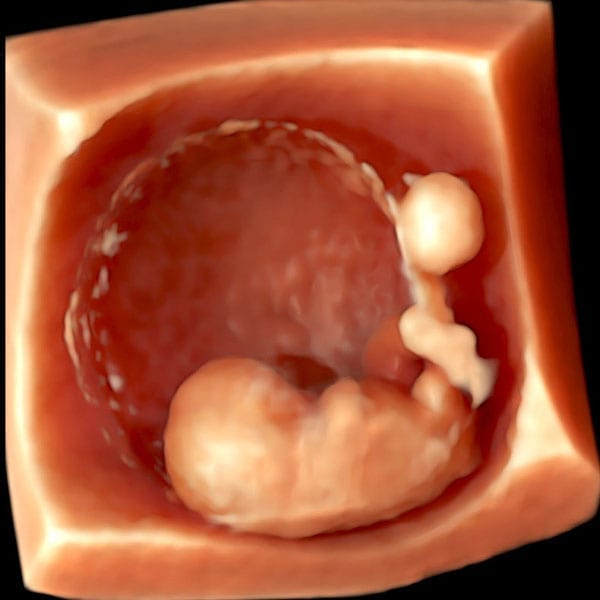
  • Fertility and pregnancy ultrasound services at  London Pregnancy Clinic - Viability scan

    Viability scan 3D image

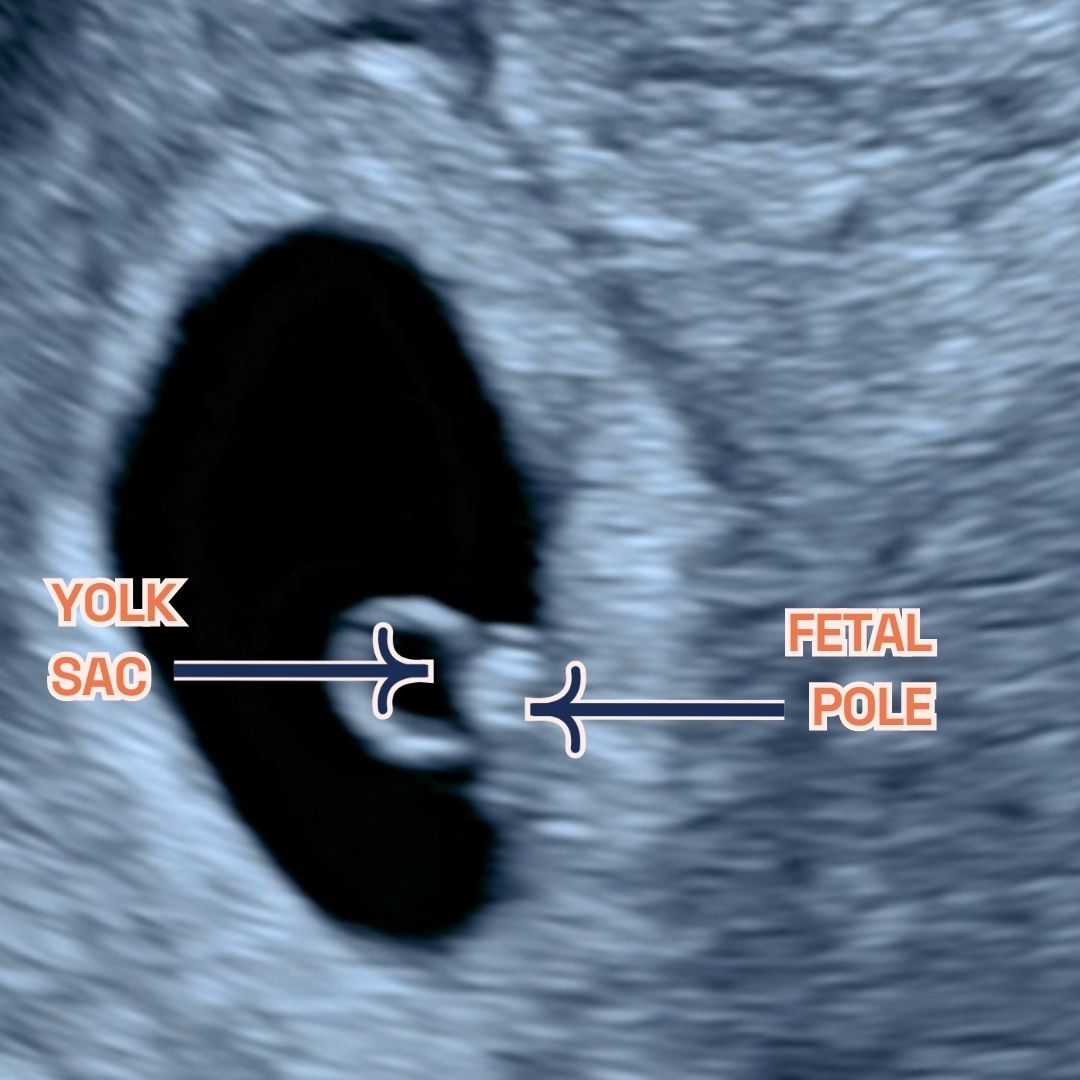
  • Image showing what would an ultrasound show at 6 weeks of pregnancy. You can see the fetal pole, gestational sac and yolk sac. It shows an Ultrasound image by London Pregnancy Clinic that shows the gestational sac and how small it is - for educational purpose.

    You can see the fetal pole, gestational sac and yolk sac at week 6.

Fertility and pregnancy ultrasound

  • Early Pregnancy Scans: Available from 6 weeks, these scans offer early reassurance, confirming the presence of a gestational sac and fetal heartbeat. The first scan we offer is called the viability scan (or the 6-week scan).
  • HyCoSy Scans: For those investigating fertility concerns, HyCoSy scans assess tubal patency, crucial for understanding potential fertility issues.
  • General, Anomaly, and Early Fetal Scans: A comprehensive range of scans ensures that every aspect of your pregnancy is monitored, from general health checks to detailed anomaly scans. We specialise in NIPT and 10 Week Scan, which is our signature early pregnancy scan.

All scans at LPC are conducted by consultant-level doctors or specialist sonographers in fetal medicine, gynaecology, and fertility. Overseen by Dr Fred Ushakov, a renowned specialist in fetal medicine and obstetrical ultrasound, our team guarantees the highest standard of care.

Why Wait? Early Scans Available from 6 Weeks

The first few weeks of pregnancy are a profound journey filled with anticipation and, sometimes, anxiety. Traditionally, expecting mothers wait until the 11 to 14-week mark for their first scan, a period filled with unanswered questions and needless worries. Recognising the importance of early reassurance, LPC opens its doors to Hertility customers for pregnancy scans starting as early as 6 weeks. Our goal? To provide you with the peace of mind that comes from knowing your pregnancy is progressing as expected, as soon as possible.

If you’re navigating the journey of fertility and pregnancy, let Hertility and LPC guide you to a path of informed, supported, and comprehensive care. You can check out our fertility and pregnancy ultrasound services!

Final thoughts

Hertility’s partnership with the London Pregnancy Clinic marks a defining moment in women’s health. With Hertility’s research-driven methodology and our fertility and pregnancy ultrasound services, we hope to provide a holistic approach for all women. Our combined effort provides an answer to the calls for early and accessible pregnancy scans, ensuring that expectant mothers receive the support and assurance they need, precisely when they need it. This collaboration goes beyond convenience; it is a powerful statement that women’s health deserves prioritisation and respect.

Latest Stories

Continue reading

Baby Loss Certificate – DHSC

Modern and minimalist artwork by London Pregnancy Clinic, symbolising remembrance and hope with a stylised candle and heart for baby loss certificate pre-24 week.

Introduction of Baby Loss Certificates

Honouring the Journey of Loss

  • Published

  • Last Modified

Tags

In a compassionate move by the Department of Health and Social Care, parents who have endured the heartbreak of pregnancy loss before 24 weeks now have the option to apply for a Baby Loss Certificate from today, 22 February 2024. This initiative, acknowledging the profound grief of losing a baby at any stage of pregnancy, represents a significant step towards offering formal recognition and support to bereaved families across England.

The pain of losing a baby is an indescribably devastating experience for parents, often leaving emotional scars that can last a lifetime. Recognising this profound loss, the government has introduced a voluntary scheme for Baby Loss Certificates, aimed at providing formal recognition of the grief parents endure. This initiative is part of the broader Women’s Health Strategy for England, ensuring that the journey of loss is acknowledged and supported.

A Compassionate Initiative

The UK government has implemented initiatives to enhance the care and support available to parents who experience pregnancy losses before 24 weeks. Among these initiatives is the introduction of Baby Loss Certificates, designed to formally acknowledge the grief and loss experienced by parents during early pregnancy. Additionally, the development of specialist recurrent loss clinics aims to offer targeted and holistic support to individuals affected by repeated losses.

Statistics by Tommy’s highlight the prevalence and impact of early pregnancy loss, with an estimated 1 in 5 pregnancies ending in miscarriage (or 1 in 6 considering only those miscarriages that are realised or reported by women). This translates to approximately 250,000 miscarriages annually across the UK. Furthermore, there are around 11,000 emergency admissions each year for ectopic pregnancies, underscoring the significant number of individuals and families affected by early pregnancy complications.

Available from 9 am today, the scheme allows parents to apply for a certificate to acknowledge their loss formally. Health and Social Care Secretary Victoria Atkins highlighted the importance of supporting women and parents affected by such a traumatic event, thanking the tireless efforts of charities and campaigners who have worked to bring this initiative to life.

What is Miscarriage

Miscarriage, defined as the loss of a pregnancy before the 23rd week, often presents through symptoms like vaginal bleeding and abdominal cramping. It’s vital to seek immediate medical advice from a GP or midwife upon experiencing these signs. Although light bleeding can occur in early pregnancy without leading to miscarriage, professional assessment is crucial for health and peace of mind.

The causes of miscarriage are varied, with many instances linked to chromosomal abnormalities in the baby that prevent normal development. It’s important to note that these occurrences are usually beyond anyone’s control and do not result from the actions of the parents. While the prevention of many miscarriages is out of one’s hands, adopting a healthy lifestyle before and during pregnancy can minimise risk factors.

The aftermath of a miscarriage can be emotionally taxing, evoking a range of feelings from guilt and shock to anger. Support is available through various channels including hospital counselling services, the Miscarriage Association, and other charities that offer guidance, support, and resources for grieving parents. Creating a memorial for the lost baby can also provide a sense of closure and a way to honour their memory.

Navigating the Path of Grief

Navigating the aftermath of a miscarriage requires compassionate support and understanding. Organisations like the Miscarriage Association, hospital counselling services, and Cruse Bereavement Care offer invaluable resources for those grieving. Sharing your experience with someone who understands, considering a memorial, and joining support groups can provide comfort and a sense of community. While the emotional journey is deeply personal, with feelings ranging from guilt to anger, it’s important to allow yourself time to grieve and heal. 

Delivering on Promises: Baby Loss Certificate

The introduction of a Baby Loss Certificate fulfils a key recommendation from the independent Pregnancy Loss Review, aimed at enhancing the care and support provided to grieving parents. Minister for the Women’s Health Strategy, Maria Caulfield, emphasised the government’s commitment to listening to parents’ experiences and introducing measures that recognise their loss as part of a comprehensive plan for women’s health.

In alignment with improving maternity care and support for birth trauma, the government is also investing £25 million in women’s health hubs. These hubs are designed to provide integrated services, facilitating easier access to crucial health services for women, further embodying the government’s commitment to supporting women’s health and wellbeing comprehensively.

“Being able to register that child’s name and their date of birth means a lot to parents.”

– Maria Caulfield on Sky News

Stakeholder Perspectives

The scheme has been met with positive reactions from key stakeholders and bereavement care experts. Zoe Clark-Coates MBE of the Mariposa Trust, a co-chair of the Pregnancy Loss Review, expressed her thrill at the formal acknowledgement of lost babies, hoping it aids the grieving process. Similarly, Samantha Collinge, Bereavement Lead Midwife, and Ruth Bender Atik of the Miscarriage Association have highlighted the importance of recognising every loss, emphasising that the emotional impact of early pregnancy loss is significant and deserves acknowledgement.

Conclusion

The launch of the Baby Loss Certificate scheme marks a monumental step in acknowledging and supporting the grief of parents who have experienced the loss of a pregnancy. It’s a reminder that their loss is significant, their grief is valid, and they are not alone. For those who have gone through this heartbreak, applying for a certificate can be a step towards healing, offering a tangible acknowledgement of their baby’s existence.

We encourage our readers to spread awareness of this supportive initiative and to reach out for support if they are navigating the journey of loss. Remember, the London Pregnancy Clinic team is here to support you through every step of your pregnancy journey, including the moments of loss and grief.

For parents in England wishing to obtain a certificate recognising their loss, please follow this link. If you are in Scotland and seeking a certificate, click here.

Latest Stories

Continue reading