Gestational Diabetes: A Complete Guide for Expecting Mothers

Pregnant woman testing blood sugar levels for gestational diabetes monitoring

Gestational Diabetes: A Complete Guide for Expecting Mothers

Published

Tags

Gestational diabetes affects approximately 1 in 20 pregnancies in the UK, making it one of the most common pregnancy complications. This form of glucose intolerance develops during pregnancy in women who didn’t previously have diabetes, and whilst it can feel overwhelming to receive this diagnosis, understanding the condition and following proper management can lead to excellent outcomes for both mother and baby.

What is Gestational Diabetes?

Gestational diabetes mellitus (GDM) is a condition characterised by elevated blood glucose levels that develops during pregnancy. Unlike type 1 or type 2 diabetes, gestational diabetes typically appears between 24-28 weeks of pregnancy and usually resolves after delivery, though it does increase the risk of developing type 2 diabetes later in life.

The condition occurs when pregnancy hormones interfere with insulin’s ability to regulate blood sugar effectively. During pregnancy, the placenta produces hormones that help the baby develop, but these same hormones can block the action of insulin in the mother’s body, a condition called insulin resistance.

When the body cannot produce enough insulin to overcome this resistance, blood glucose levels rise, leading to gestational diabetes. This typically develops in the second or third trimester when hormone levels are at their highest.

Understanding the Causes and Risk Factors

Whilst any pregnant woman can develop gestational diabetes, certain factors increase the likelihood of developing this condition. The NHS and NICE guidelines identify several key risk factors that healthcare providers consider when assessing pregnancy care.

The primary risk factors include:

  • Body mass index (BMI) of 30kg/m² or above: Excess weight can contribute to insulin resistance
  • Previous gestational diabetes: Having had the condition in a previous pregnancy significantly increases risk
  • Family history: A parent or sibling with diabetes increases susceptibility
  • Ethnicity: Women of South Asian, Black Caribbean, or Middle Eastern origin have higher risk
  • Previous large baby: Having previously given birth to a baby weighing 4.5kg (10lbs) or more
  • Age: Women over 40 have increased risk
  • Polycystic ovary syndrome (PCOS): This hormonal condition is associated with insulin resistance

It’s important to understand that having risk factors doesn’t guarantee you’ll develop gestational diabetes, and some women develop the condition without any identifiable risk factors.

Recognising the Symptoms

One of the challenges with gestational diabetes is that it often presents with mild or no obvious symptoms, which is why routine screening is so important. Many symptoms can be mistaken for normal pregnancy changes, making professional monitoring essential.

When symptoms do occur, they may include:

  • Excessive thirst: Feeling unusually thirsty despite drinking plenty of fluids
  • Frequent urination: Needing to urinate more often than typical for your stage of pregnancy
  • Fatigue: Feeling more tired than expected, even accounting for normal pregnancy tiredness
  • Blurred vision: Changes in vision due to fluctuating blood sugar levels
  • Recurring infections: Particularly thrush or urinary tract infections
  • Nausea: Feeling sick, especially if this develops later in pregnancy

Because these symptoms can overlap with normal pregnancy experiences, many women with gestational diabetes are diagnosed through routine screening rather than symptom presentation. This emphasises the importance of attending all scheduled antenatal appointments.

Diagnosis and Screening Process

The diagnosis of gestational diabetes typically occurs through an oral glucose tolerance test (OGTT), usually performed between 24-28 weeks of pregnancy. However, women with higher risk factors may be offered earlier testing.

The OGTT involves several steps:

  1. Fasting blood test: You’ll need to fast overnight, then have blood taken to measure fasting glucose levels
  2. Glucose drink: You’ll be given a glucose solution to drink
  3. Follow-up tests: Blood samples are taken at one and two hours after drinking the solution
  4. Results interpretation: Your healthcare team will analyse the results against established thresholds

According to NICE guidelines, gestational diabetes is diagnosed when fasting plasma glucose is 5.6 mmol/L or above, or when the 2-hour plasma glucose is 7.8 mmol/L or above. Some women may also have random glucose testing or glucose monitoring through early pregnancy scans if risk factors are particularly high.

Treatment and Management Approaches

Managing gestational diabetes focuses on controlling blood glucose levels to protect both mother and baby. The good news is that with proper management, most women with gestational diabetes have healthy pregnancies and babies.

Treatment typically follows a stepped approach:

First-line management includes:

  • Dietary modifications: Working with a dietitian to develop a balanced eating plan
  • Regular exercise: Safe, appropriate physical activity to help regulate blood sugar
  • Blood glucose monitoring: Regular home testing to track glucose levels
  • Weight management: Maintaining healthy weight gain during pregnancy

Medical intervention may include:

  • Metformin: An oral medication that helps improve insulin sensitivity
  • Insulin therapy: Prescribed when fasting glucose remains elevated despite lifestyle changes
  • Combination therapy: Using both metformin and insulin when required

The NHS recommends immediate medical treatment for women with fasting plasma glucose levels of 7.0 mmol/L or above, as this indicates a higher risk of complications.

Dietary Management and Lifestyle Changes

Diet plays a crucial role in managing gestational diabetes, and many women find they can control their blood glucose levels effectively through nutritional changes alone. The key is understanding how different foods affect blood sugar and timing meals appropriately.

Effective dietary strategies include:

  • Carbohydrate awareness: Learning to identify and portion complex carbohydrates appropriately
  • Regular meal timing: Eating smaller, frequent meals to avoid glucose spikes
  • Fibre-rich foods: Including plenty of vegetables, whole grains, and legumes
  • Protein balance: Ensuring adequate protein intake to help stabilise blood sugar
  • Healthy fats: Including sources like avocados, nuts, and olive oil
  • Avoiding processed foods: Limiting refined sugars and highly processed items

Exercise is equally important, with activities like brisk walking, swimming, or pregnancy yoga helping to improve insulin sensitivity. The NHS recommends at least 150 minutes of moderate-intensity exercise per week during pregnancy, unless contraindicated.

Working with healthcare professionals, including specialist midwives and dietitians, ensures that dietary and lifestyle modifications are safe and appropriate for your individual circumstances.

Monitoring Your Baby’s Growth and Wellbeing

Gestational diabetes can affect foetal growth and development, making regular monitoring essential throughout pregnancy. Elevated maternal blood glucose levels can lead to increased foetal growth, particularly in the baby’s shoulders and torso, a condition known as macrosomia.

Enhanced monitoring typically includes:

  • Serial growth scans: Regular ultrasound examinations to monitor baby’s size and growth patterns
  • Amniotic fluid assessment: Checking for polyhydramnios (excess amniotic fluid)
  • Foetal wellbeing tests: Including movements monitoring and potentially CTG (cardiotocography)
  • Placental assessment: Monitoring placental function and blood flow

These growth scans help healthcare providers track whether gestational diabetes is affecting the baby’s development and inform decisions about timing of delivery and birth planning. Regular monitoring allows for early intervention if any concerns arise.

Most babies born to mothers with well-controlled gestational diabetes are healthy, but monitoring ensures any potential issues are identified and managed promptly.

Potential Complications and Risks

Whilst gestational diabetes can be effectively managed, it’s important to understand potential complications to emphasise the importance of proper treatment and monitoring. Most complications can be prevented or minimised with good glucose control.

Maternal complications may include:

  • Pre-eclampsia: Gestational diabetes increases the risk of developing this serious pregnancy condition
  • Increased birth complications: Higher likelihood of instrumental delivery or caesarean section
  • Future diabetes risk: Increased chance of developing type 2 diabetes later in life
  • Polyhydramnios: Excess amniotic fluid leading to premature labour risk

Foetal and neonatal complications may include:

  • Macrosomia: Babies growing larger than average, potentially complicating delivery
  • Neonatal hypoglycaemia: Low blood sugar in the baby after birth
  • Respiratory distress: Breathing difficulties immediately after birth
  • Increased diabetes risk: Higher likelihood of developing diabetes in childhood or adulthood

It’s crucial to remember that with proper management and monitoring, the vast majority of women with gestational diabetes have uncomplicated pregnancies and healthy babies. These potential complications emphasise why following treatment recommendations is so important.

Birth Planning and Delivery Considerations

Having gestational diabetes may influence your birth plan and delivery timing, though many women with well-controlled gestational diabetes can have normal, vaginal deliveries. Your obstetric team will work with you to develop an appropriate birth plan based on your individual circumstances.

Key considerations include:

  • Timing of delivery: Most women deliver around their due date, though early delivery may be recommended in some cases
  • Induction considerations: Labour may be induced if there are concerns about baby’s size or maternal glucose control
  • Blood glucose monitoring: Glucose levels will be monitored throughout labour
  • Insulin management: Adjustments to insulin therapy during labour if applicable
  • Neonatal care planning: Ensuring appropriate monitoring for the baby after birth

During labour and delivery, your healthcare team will monitor both your blood glucose levels and your baby’s wellbeing. If you’ve been taking insulin, your dosage may need adjustment during labour as your body’s needs change.

Most hospitals have established protocols for managing women with gestational diabetes during delivery, ensuring both mother and baby receive appropriate care throughout the birthing process.

Postpartum Care and Long-term Health

For most women, blood glucose levels return to normal shortly after delivery as pregnancy hormones decrease. However, having gestational diabetes does have implications for long-term health that require ongoing attention.

Immediate postpartum care includes:

  • Blood glucose monitoring: Checking levels return to normal after delivery
  • Medication cessation: Stopping gestational diabetes medications if no longer needed
  • Baby’s glucose monitoring: Ensuring newborn’s blood sugar levels are stable
  • Breastfeeding support: Which can help regulate both mother’s and baby’s glucose levels

Long-term considerations include:

  • Diabetes screening: Having glucose tolerance tests 6-13 weeks postpartum and annually thereafter
  • Lifestyle maintenance: Continuing healthy eating and exercise habits
  • Future pregnancy planning: Understanding increased risk in subsequent pregnancies
  • Family health awareness: Monitoring children for signs of diabetes as they grow

Research shows that up to 50% of women who have gestational diabetes will develop type 2 diabetes within 10 years, making long-term monitoring and preventive measures crucial for maintaining health.

How the London Pregnancy Clinic Can Help

At the London Pregnancy Clinic, we understand that a gestational diabetes diagnosis can feel overwhelming. Our experienced team provides comprehensive support and monitoring throughout your pregnancy journey, ensuring you receive the highest standard of care in a comfortable, private setting.

Our gestational diabetes management services include:

  • Specialist consultations: Access to consultant obstetricians with expertise in high-risk pregnancies
  • Advanced monitoring: State-of-the-art ultrasound equipment for detailed growth and wellbeing assessments
  • Flexible appointment scheduling: Regular monitoring appointments that fit around your schedule
  • Comprehensive care coordination: Seamless communication with your NHS team and other healthcare providers
  • Educational support: Detailed guidance on managing your condition and understanding your care plan

Our specialist sonographers use the latest ultrasound technology to monitor your baby’s growth and development, providing detailed assessments that complement your NHS care. We offer pregnancy scan packages designed specifically for women requiring enhanced monitoring.

Located in central London with convenient appointment times, we make it easier for you to access the additional monitoring and support you need during your pregnancy with gestational diabetes.

Final Thoughts

Receiving a gestational diabetes diagnosis can initially feel daunting, but it’s important to remember that this condition is manageable and most women go on to have healthy pregnancies and babies. With proper monitoring, lifestyle adjustments, and medical support when needed, you can maintain excellent health throughout your pregnancy.

The key to successful management lies in working closely with your healthcare team, following dietary and lifestyle recommendations, and attending all scheduled monitoring appointments. Regular blood glucose testing and foetal monitoring ensure that both you and your baby remain healthy throughout pregnancy.

If you’re managing gestational diabetes or have concerns about your pregnancy, the London Pregnancy Clinic is here to provide expert care and support. Our team of specialists can work alongside your NHS care to ensure you receive comprehensive monitoring and guidance throughout your pregnancy journey. Contact us today to learn how our services can support your healthy pregnancy.

Sources

  1. Diabetes in pregnancy (gestational diabetes) – How gestational diabetes can affect your pregnancy | Guy’s and St Thomas’ NHS Foundation Trust
  2. Gestational Diabetes – StatPearls – NCBI Bookshelf
  3. Diabetes in pregnancy (gestational diabetes) – Overview | Guy’s and St Thomas’ NHS Foundation Trust
  4. Gestational Diabetes: Causes, Symptoms & Treatment
  5. Gestational Diabetes Mellitus (GDM) | Johns Hopkins Medicine
  6. Gestational diabetes – UK National Screening Committee (UK NSC) – GOV.UK
  7. Diabetes, Guidelines for the Management of Diabetes Mellitus during Pregnancy and Diagnosis of Gestational Diabetes (1136) | Right Decisions
  8. Gestational diabetes – Treatment – NHS
  9. The Diabetes Specialist Midwife will offer women with a …
  10. 1 Diabetes in Pregnancy Guideline NW MMN Version 0.2 Date: 17.03.2025
  11. Gestational diabetes – NHS
  12. Gestational diabetes mellitus – Symptoms, diagnosis and treatment | BMJ Best Practice US

Latest Stories

Continue reading

Baby Structures During Pregnancy

Graphic of a stork carrying a baby over the city of London hospital. Blog about baby structures.

Fetal Structures & Ultrasound:

Prenatal Ultrasound’s role in screening baby structures.

  • Published

  • Last Modified

Tags

  • Visual guide from London Pregnancy Clinic detailing ultrasound scans for baby structural development.

  • Detailed diagram from London Pregnancy Clinic showing key baby structures during pregnancy development.

  • London Pregnancy Clinic statistics infographic on structural anomalies in fetal development with a 79% pie chart.

  • London Pregnancy Clinic timeline for fetal anomaly scans during pregnancy trimesters.

  • Illustration explaining transabdominal and transvaginal ultrasound scans at London Pregnancy Clinic.

  • Dr. Fred Ushakov at London Pregnancy Clinic highlighting expertise in fetal anomaly screenings.

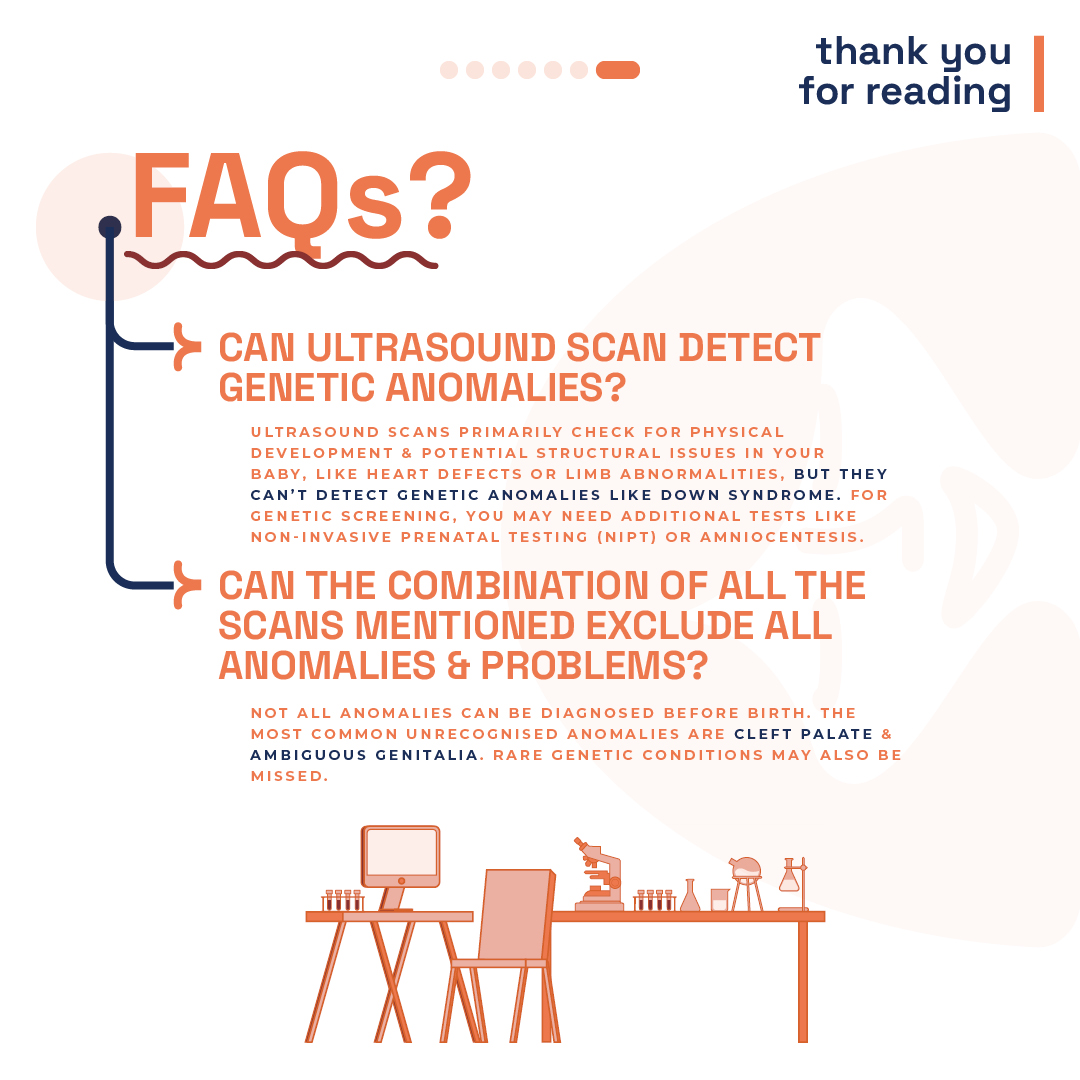
  • FAQ section on London Pregnancy Clinic website discussing ultrasound scans for genetic anomalies detection.

Pregnancy is a journey of discovery, not just of the self but also of the little life growing inside you. Among the many wonders this period brings is the ability to glimpse into your baby’s developing world through ultrasound screenings. Here we delve into the critical aspects of baby structures, their development, and the pivotal role of ultrasound in ensuring the well-being of your unborn child.

As expectant mothers, the health and development of our unborn child is paramount. Advances in medical technology have gifted us with the ultrasound, a window into the womb, allowing us to monitor the growth and health of our babies like never before. Understanding the structures of a developing baby provides invaluable insights into their well-being and development.

What are fetal structures?

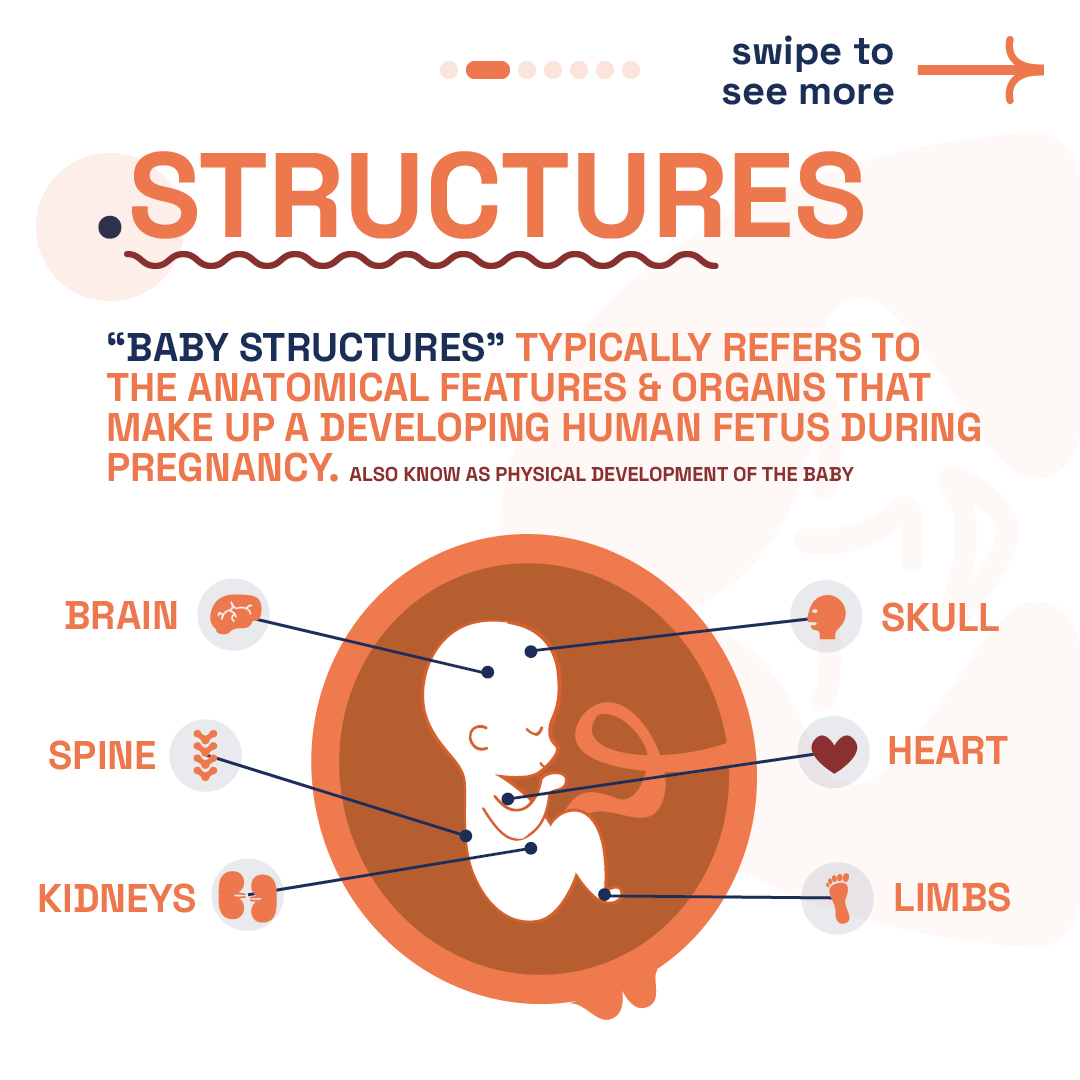
“Baby structures”, or fetal structures, usually denote the anatomical features and organs constituting a human fetus throughout pregnancy, also referred to as the physical development of the baby. It is important to note that this does not include genetic anomalies like Down Syndrome. Fetal development is a complex process where vital structures like the brain, heart, spine, and limbs evolve significantly:

Brain: Development kicks off around week 5 with the neural tube, leading to the brain and spinal cord’s formation. By the second trimester’s close, the brain’s structure mirrors that of an adult, showcasing an almost fully developed brain stem.

Heart: One of the earliest and most significant markers we observe during our dating scan is the heartbeat at 6 weeks, visible through ultrasound, providing crucial insight into the baby’s health and development at this early stage. This marks the beginning of the heart’s rhythmic life-sustaining beats.

Spine: The spine’s journey begins around weeks 6-7, laying the groundwork for the nervous system’s housing and body support. This period also sees the onset of bone development, integral to the body’s framework.

Limbs: Concurrently, weeks 6-7 see the emergence of arm and leg buds, with hands, feet, and digits evolving throughout the pregnancy. These developments are pivotal for the baby’s eventual movement capabilities.

The structures extend to encompass vital organs like the liver and kidneys, which are essential for processing nutrients and waste, the skull that protects the developing brain, and the umbilical cord, a lifeline connecting the baby to the placenta. Additionally, the abdominal organs, critical for digestion and other bodily functions, are part of this intricate network of development, underlining the complexity and wonder of fetal growth during pregnancy. Monitoring these structures’ growth is vital, employing fetal heart rate monitoring, ultrasounds, and physical exams to ensure the baby’s health and well-being.

Monitoring Key Baby Structures 

Expectant mothers cherish every moment of their pregnancy journey, closely observing their baby’s development. The fetus’s organs and anatomical features, notably the brain, heart, spine, and limbs, undergo remarkable transformations. These critical structures not only signify health but also ensure the baby’s overall development and well-being.

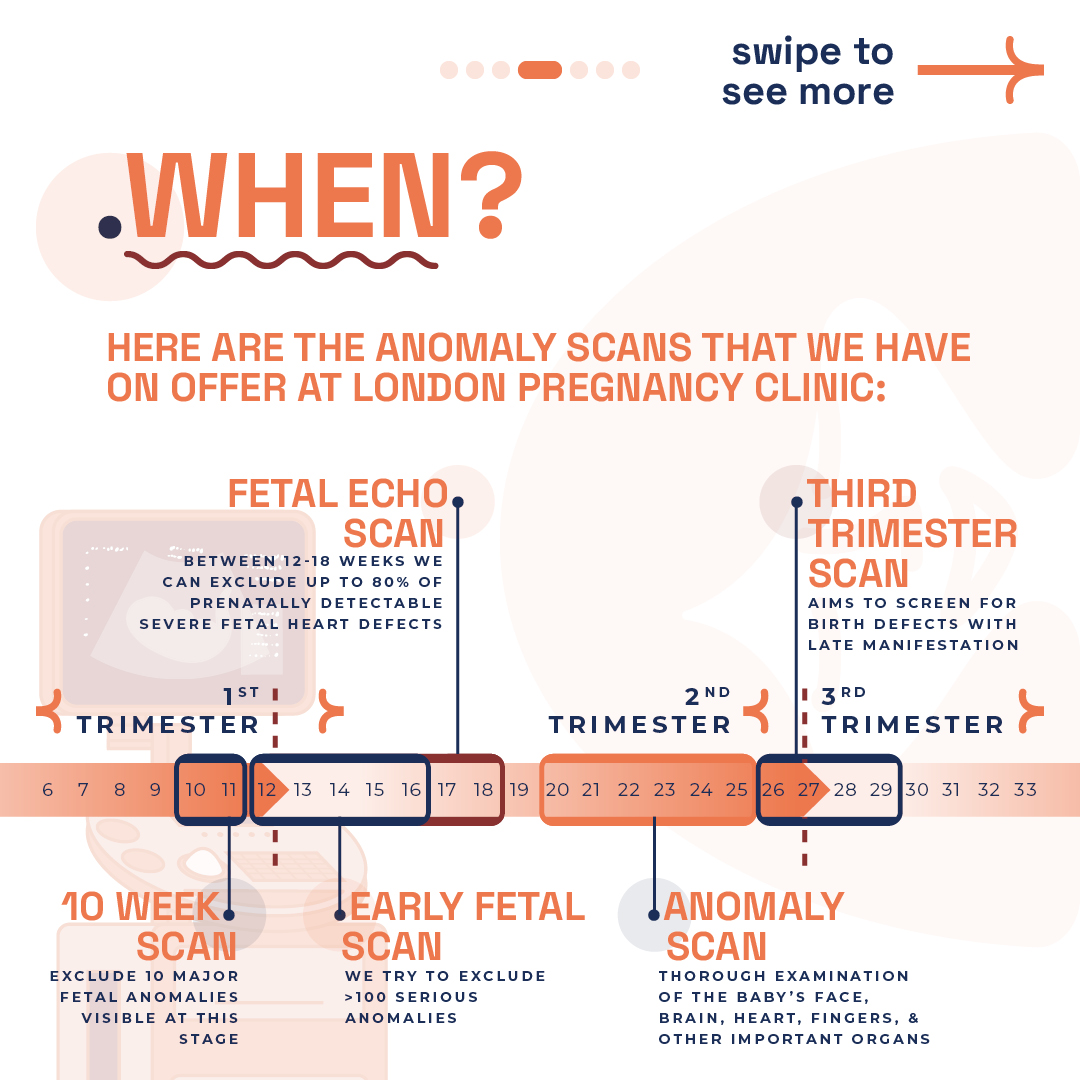
From the first to the third trimester, various scans are recommended to monitor your baby’s development. These range from the 10-week scan, aiming to exclude major fetal anomalies, to the fetal echo scan and the anomaly scan, each designed to screen for specific conditions at different stages of pregnancy .

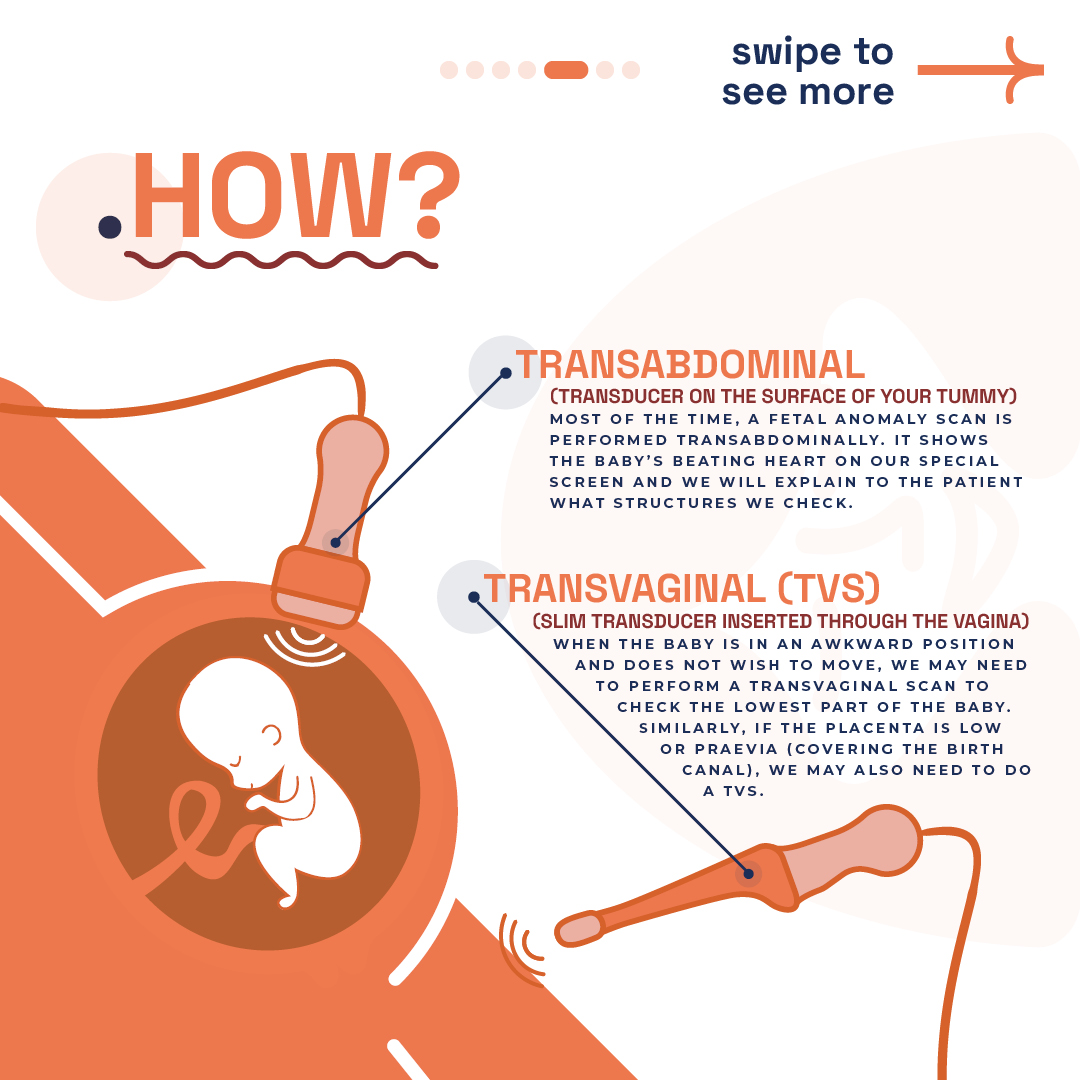
The majority of fetal anomaly scans are conducted transabdominally (watch our video on ultrasound probes), offering a glimpse of the baby’s heartbeat and structures. In certain cases, a transvaginal scan might be necessary for a more detailed view, especially when the baby is positioned awkwardly or when examining the placenta.

As the fetus grows, so does our anticipation and concern for its health. Regular monitoring of these structures becomes paramount. It reassures us that development proceeds without any hindrances. Specifically, we focus on the baby’s heart and brain, pivotal for life and cognitive functions. The spine’s integrity is equally crucial, supporting the body and housing the nervous system. Moreover, observing the limbs ensures proper growth and the potential for movement. In essence, these structures form the foundation of our baby’s future. Ensuring their optimal development through vigilant monitoring not only secures their health but also paves the way for a thriving life post-birth.

Most Common Structural Anomalies?

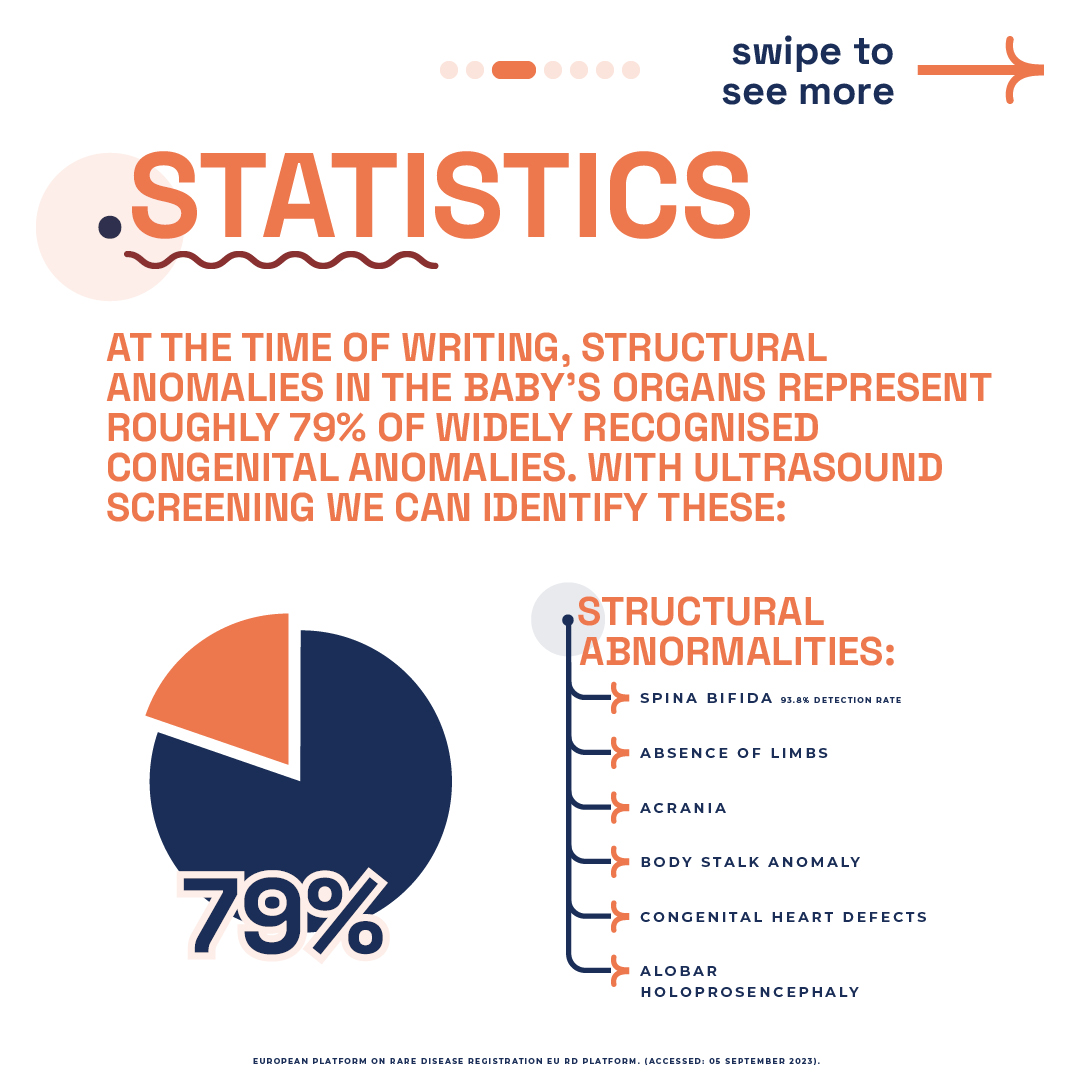
According to the European platform on Rare disease registration EU RD Platform, structural anomalies in the baby’s organs represent roughly 79% of widely recognised congenital anomalies. The most common structural anomaly encountered in newborns is congenital heart defects (CHD). These defects, which disrupt the heart’s structure and function post-birth, affect 1 in 100 UK babies. Ventricular septal defect (VSD), or ‘hole in the heart,’ stands out as the predominant issue.

Newborns also face other frequent congenital issues, including:

  • Cleft Lip and Palate: A gap in the mouth’s upper lip and roof.
  • Spina Bifida: The spinal column’s incomplete closure.
  • Neural Tube Defects (NTD): Disorders like anencephaly affecting brain and spinal development. Spina bifida falls under NTDs.
  • Gastroschisis: Intestines extending outside the abdomen from birth.
    Exomphalos or Omphalocele: Abdominal organs bulge through the navel.
  • Clubfoot or Talipes: A foot deformity where it angles inwards and downwards.
  • Limb Reduction Defects: Absence or incomplete limb formation.
  • Polydactyly: Having extra fingers or toes.
  • Intestinal and Duodenal Atresia: Intestine blockages or missing sections.
  • Kidney Anomalies: Various kidney development, structure, or function malformations.

In essence, these conditions highlight the spectrum of potential challenges infants may face from birth, underscoring the importance of early detection and intervention. Awareness and understanding of these common anomalies can lead to better outcomes for affected children, as early intervention often opens the door to corrective procedures and supportive therapies, enhancing quality of life. The emphasis on these conditions reflects a commitment to providing the necessary care and support for affected families, guiding them through diagnosis, treatment, and beyond, with a focus on fostering resilience and hope.

Ultrasound Screening Vital for Early Detection

Ultrasound pregnancy scans transcend mere glimpses into the womb; they are indispensable tools in prenatal care. Structural anomalies within the baby’s organs account for a significant share of congenital anomalies. Fortunately, ultrasound offers a solution, detecting early signs of such conditions. At the London Pregnancy Clinic, our expertise in ultrasound screenings shines at every stage. We tailor our early pregnancy scans to the gestational age, offering unparalleled early detection from 10 weeks onwards.

10 Week Scan: Our clinic excels with a pioneering 10/11-week scan, designed to uncover 10 critical fetal anomalies early on. This scan, unique to our services, complements NIPT seamlessly, setting a new standard in prenatal care.

Early Fetal Scan: The hallmark of our service, the Early Fetal Scan, conducts an exhaustive review of the baby’s development. It’s crafted to spot over 100 serious anomalies well ahead of the standard NHS 19-20 week screenings. Offering this advanced insight provides early reassurance and essential information to expectant parents.

In short, our approach revolutionises prenatal screenings, giving you early answers and peace of mind. It brings to light potential issues, enabling timely interventions. These screenings are not just procedures but gateways to peace of mind for expectant mothers. They assure us that our baby’s development is on the right track, allowing us to address any concerns proactively.

  • Baby with missing left hand at 12 week early pregnancy scan.

    Baby with missing left hand at 12 week, an absence or incomplete limb formation.

  • Normal Early pregnancy scans at 12wk 3D.

    Normal baby at 12 weeks of pregnancy during an early pregnancy scans 3D.

Advanced Anomaly Detection in Late Pregnancy

Early detection of fetal anomalies enables timely interventions, crucial for the well-being of your baby. However, some anomalies manifest later, necessitating advanced screenings in the later stages of pregnancy. Our late-stage anomaly scans are designed to offer peace of mind and crucial insights during the final stages of pregnancy. 

Anomaly Scan: Our 22-23 week Anomaly Scan goes beyond the NHS’s 19–20-week standard, offering a deeper insight into your baby’s development. This comprehensive check includes detailed assessments of the brain, heart, face, fingers, and vital organs. We also provide additional services like uterine artery Doppler and cervical length measurements on request, ensuring an all-encompassing review.

3rd Trimester Anomaly Scan: To address the absence of routine NHS scans post-18-20 weeks, our clinic offers the 3rd Trimester Anomaly Scan between 26-29 weeks. This scan is pivotal for detecting late-manifesting anomalies and monitoring fetal growth and well-being. Given the technical difficulties of scanning after 30 weeks, this period is optimal for identifying significant issues, especially affecting the brain, heart, and kidneys. It’s also an ideal time for clinical 3D/4D imaging, enriching your connection with your unborn child.

Leveraging state-of-the-art technology and thorough assessments, we are committed to delivering unparalleled prenatal care. Trust our expertise to navigate you through these essential phases of pregnancy, providing clarity, early intervention opportunities, and fostering a profound bond with your baby.

Why do we focus on Early detection?

At our clinic, early detection of fetal anomalies stands as a priority, underlining our commitment to comprehensive prenatal care. Early diagnosis paves the way for detailed insights into potential health issues, fostering a deeper understanding and effective management from the outset.

This early intervention allows healthcare experts to convey critical information regarding the anomaly, its possible effects, and the spectrum of care and intervention options available. Such a proactive stance equips parents with the knowledge to make well-informed decisions, streamlines medical planning, and guarantees the availability of essential support and resources.

Given the time-sensitive nature of advanced genetic screenings, including microarrays and exome sequencing, alongside expanded NIPT choices, securing an early diagnosis is crucial. These intricate tests, demanding several weeks for results, underscore the necessity of timely identification. It ensures ample time for exhaustive testing, facilitating a holistic and well-considered approach to prenatal care and support throughout the pregnancy journey.

Embracing this early detection strategy, we aim to guide expectant parents with clarity, empowering them with options and support every step of the way. Our focus on early diagnosis reflects our dedication to delivering exceptional care and support, ensuring a well-informed, reassuring pregnancy experience.

Baby Structures FAQs


  • Can ultrasound detect genetic anomalies?

    While ultrasound scans are adept at identifying physical development and potential structural issues, they cannot detect genetic anomalies. For genetic screening, additional tests like Non-Invasive Prenatal Testing (NIPT) or amniocentesis are recommended.

  • Do the scans guarantee the detection of all anomalies?

    Regrettably, predicting every anomaly before birth is beyond reach. Commonly missed anomalies include isolated cleft palate (a split in the mouth’s roof with intact lips) and ambiguous genitalia. Additionally, certain rare genetic conditions elude detection through ultrasound scans.

  • Structural Anomalies Linked to Genetic Syndromes?

    Noticing structural anomalies or physical differences in a baby during pregnancy often hints at a genetic or chromosomal connection. Simply put, these anomalies might signal an underlying chromosomal or genetic syndrome, commonly referred to as “rare diseases.

    Understanding the tie between genetic makeup and structural anomalies is key. It unravels the complex relationship between a baby’s DNA and their physical traits. An anomaly might stand alone or indicate a broader genetic condition.

    If a baby is diagnosed with a chromosomal or genetic condition, these anomalies manifest the impact of irregular gene functions.

    Crucially, when structural defects accompany chromosomal or genetic conditions, the prognosis tends to be more serious than isolated anomalies. Such conditions frequently correlate with intellectual disabilities or significant health issues, underscoring the importance of early detection and intervention.

  • Why do NIPT with Scan and visa versa?

    Ultrasound plays a crucial role in fetal screening, essential for confirming viability and gestational age alongside NIPT submissions. While NIPT effectively screens for three chromosomal anomalies and other genetic conditions (specific to the panorama test), it doesn’t assess structural anomalies. Conditions like heart or brain defects, often more common and severe than Down’s syndrome, require ultrasound for detection.

    At the London Pregnancy Clinic, our forte is the early identification of fetal anomalies, particularly in the fetal heart and brain. Remarkably, we’re capable of detecting significant anomalies from as early as 10 weeks. Discover more about the scans we pair with NIPT by visiting our scans page; our 10-week scan frequently stands out as the optimum choice.

    Opting for a Panorama Test at 9 weeks? Rest assured, we’ll conduct a detailed structural scan of your baby, albeit with some limitations due to the embryo’s small size and early development stage.


Final Thoughts

Understanding the structures of your developing baby is a crucial part of the pregnancy journey. Ultrasound screenings offer an invaluable tool in this understanding, providing early detection of potential issues and contributing to the effective monitoring of your baby’s health. We invite you to experience the comprehensive care and advanced screening options available at the London Pregnancy Clinic, where we prioritise your peace of mind and your baby’s well-being.


Latest Stories

Continue reading