
Fetal medicine scan and consultation
A detailed scan with a fetal medicine specialist, followed by a consultation about what the findings mean, a written report and clear guidance on next steps. Available at LPC City and LPC West.
Fetal medicine is the specialty that looks after your baby before birth when a scan, a screening result or your family history raises a question. Our fetal medicine specialists offer a detailed scan and an unhurried consultation at LPC City and LPC West, designed to sit alongside the NHS care you are entitled to, not to replace it.
Available atLPC City (E1)LPC West (SW10)
When a routine NHS scan finds or suspects a problem, you are referred to a specialist, sometimes in another hospital, free of charge. NHS fetal medicine units are also where diagnostic tests such as CVS and amniocentesis, and any treatment before birth, take place. Please keep those appointments. Families come to us for more time with a specialist, a sooner appointment, or an independent second look. We add to your NHS care; we do not replace it. If you are worried about your baby right now, for example if your baby is moving less than usual, call your midwife or maternity unit immediately, even at night. Do not wait for a scan appointment.
Fetal medicine is the branch of medicine that cares for the unborn baby and the mother together. NHS England's service specification describes three parts to it: assessing how the baby is growing and how well they are, diagnosing and managing conditions that affect the baby (including structural anomalies), and counselling and supporting parents through what the findings mean.
A fetal medicine specialist is a doctor with advanced training in detailed pregnancy ultrasound and in the conditions it can reveal. Most of our specialists hold NHS posts in fetal medicine and maternity units in and around London as well as consulting privately with us.
The most complex care, such as treatment for a baby in the womb, is concentrated in a small number of NHS centres. NHS England's 2013 service specification noted that fewer than 20 centres in England provided specialised fetal medicine services. A private clinic cannot stand in for those centres, and this page explains where we fit.
Most people meet a fetal medicine specialist because something unexpected has come up. You can book with us directly, without a referral. These are the most common reasons:
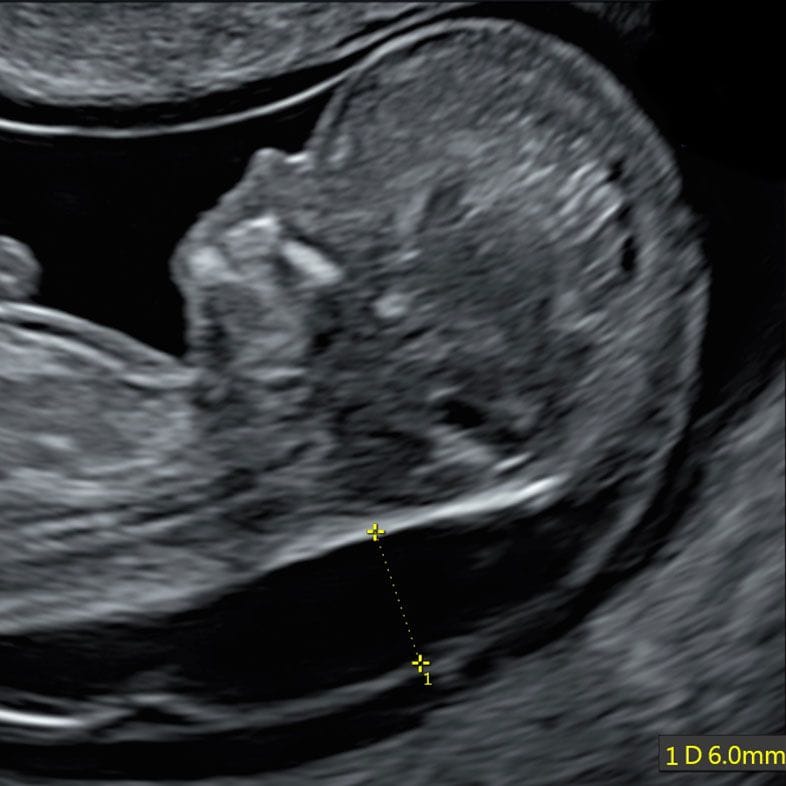
Every service below includes a detailed ultrasound examination. We do not offer tests without a scan. Current prices are on our fees page.
A detailed scan with a fetal medicine specialist, followed by a consultation about what the findings mean, a written report and clear guidance on next steps. Available at LPC City and LPC West.
An independent expert anomaly scan with Dr Fred Ushakov, from 10 weeks to the end of pregnancy, when a previous scan or test has raised a concern.
A specialist examination of your baby's heart from 12 weeks, with a top-to-toe check of the other structures that can be seen at that stage.
How we examine the baby's heart at every scan, and what happens if a heart condition is suspected.
What a raised NT measurement can mean, and the scans and tests that can help clarify it.
Time with a registered genetic counsellor to understand a result, a family history or your testing options.
Gather your previous scan reports and any screening, NIPT, CVS or amniocentesis results. You can share them before the day, and it helps to know your due date or gestation.
The specialist examines your baby's anatomy, growth, fluid and blood flow as far as the stage of pregnancy allows. Early in pregnancy this may include an internal (transvaginal) scan, which you can decline.
The specialist explains what they have seen, what it may and may not mean, and answers your questions. You are welcome to bring your partner or a support person.
You receive a written report of the findings. We encourage you to share it with your NHS midwife or fetal medicine unit so everyone caring for you has the same information.
That may be reassurance, a follow-up scan, genetic counselling, or a referral to your NHS fetal medicine unit or a private fetal medicine consultant for further tests or care.
We specialise in non-invasive assessment: detailed ultrasound, fetal echocardiography and NIPT. We do not perform invasive procedures such as CVS or amniocentesis. When one of these tests is recommended, NHS fetal medicine units carry it out at no cost and have extensive experience with them. If you need one, we can arrange a referral to your NHS fetal medicine unit, or to a private fetal medicine consultant if you prefer.
Our role is diagnostic and advisory. We can describe what the scan shows, explain the options in plain language and help you plan your next steps. Ongoing management of a complex pregnancy, treatment before birth and planning for delivery belong with your NHS maternity and fetal medicine teams. Those teams can bring in neonatal, surgical and cardiology specialists where needed.
Many families use both services. Some come to us before an NHS appointment because the wait feels long, some want a second look after one, and some want more time to ask questions. Whatever brings you here, your NHS team should get a copy of our findings. If you would prefer an independent review of a specific finding, our second-opinion scan is designed for exactly that.
Screening tests, including NIPT, give a chance, not a diagnosis. A diagnostic test analyses cells from the placenta (CVS) or from the fluid around the baby (amniocentesis), which carry the baby's genetic information, and can confirm or rule out many chromosomal and genetic conditions. These tests are offered by the NHS when there is a higher chance of a condition. At London Pregnancy Clinic we explain them and arrange referral, but we do not carry them out ourselves. More detail is in our guide to amniocentesis.
A small sample of cells is taken from the placenta. According to the NHS, the chance of miscarriage after CVS is thought to be less than 1 in 200 for most pregnancies, and around 1 in 100 for twins or other multiple pregnancies.
A small sample of the fluid around the baby is taken with a fine needle guided by ultrasound. The NHS puts the risk of miscarriage at 1 in 200. Results for Down's, Edwards' and Patau's syndromes usually take around 3 working days, and other conditions can take around 2 weeks.
Our clinicians combine private practice with NHS posts in maternity and fetal medicine units in and around London. Where a service is linked to a named clinician, we say so when you book. Otherwise, tell us if you would like to see someone in particular. You can meet the whole team here.

Specialist in Fetal Medicine & Obstetric Ultrasound
Founder and Medical Director of London Pregnancy Clinic. He also works in the UCLH Fetal Medicine Unit, with a particular interest in fetal anomalies, increased nuchal translucency and early fetal echocardiography.

Consultant in Maternal – Fetal Medicine
Obstetric Lead for the North Central London maternal medicine network at UCLH, with a research focus on high blood pressure conditions in pregnancy.

Consultant in Obstetrics and Maternal – Fetal Medicine
Based at Guy's and St Thomas' Hospital, where he is Lead Obstetrician for the Maternal Cardiac Clinic and works in specialist fetal medicine scanning clinics. He consults at LPC West.

Consultant in Obstetrics and Maternal – Fetal Medicine
Consultant obstetrician at Chelsea and Westminster Hospital, trained in fetal medicine at the Harris Birthright Research Centre. She works mainly at LPC West.

Consultant in Fetal Medicine & Obstetrics
Consultant at the Medway Fetal and Maternal Medicine Centre, with experience in fetal anomalies, fetal growth restriction and twin pregnancies.

Specialist in Fetal Medicine & Obstetric Ultrasound
Works at the Royal London Hospital and has worked in the fetal cardiology unit at Evelina London Children's Hospital. His interests include detailed anomaly and fetal heart assessment and multiple pregnancies.
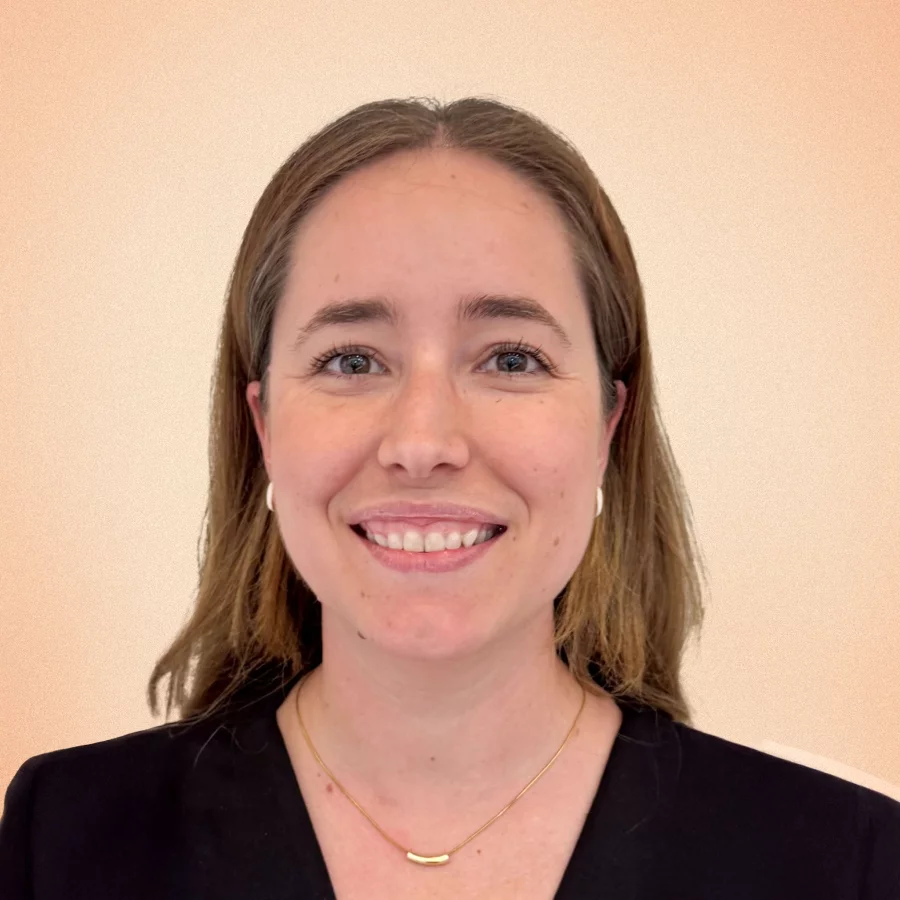
Specialist in Fetal Medicine & Obstetric Ultrasound
Completed a two-year fellowship in obstetric ultrasound and fetal medicine at UCLH, where she still works. Her interests include detailed anomaly scans, fetal heart assessment, growth and twin pregnancies.
If you have been told about a specific finding, these guides explain what it is, how it is assessed and what support is available. The fetal anomalies overview lists more than 30 conditions and anatomical variants.
A fetal medicine specialist carries out detailed ultrasound assessments of the baby, explains what any findings may mean for the baby and the pregnancy, and helps parents understand their options for further tests and care. In the NHS, fetal medicine teams also carry out diagnostic procedures and treatment before birth, working with neonatal, surgical, genetics and cardiology colleagues.
No. You can book a fetal medicine scan and consultation with us directly. NHS fetal medicine units usually see you after a referral from your maternity team, often following a routine scan or screening result. Seeing us does not affect your NHS referral.
No. We specialise in non-invasive assessment with detailed ultrasound, fetal echocardiography and NIPT. If a diagnostic test is being considered, we explain the options and can arrange a referral to your NHS fetal medicine unit, where these tests are carried out at no cost when they are recommended, or to a private fetal medicine consultant if you prefer.
That is your choice, and there is no need to cancel your NHS appointment. The NHS unit is where diagnostic testing, ongoing monitoring and any treatment take place, and it is free. Some families also see us for a sooner appointment, more time to ask questions or an independent second opinion. If you do, please share our report with your NHS team.
A fetal medicine scan and consultation costs £500 at LPC City or LPC West. A second-opinion scan with Dr Fred Ushakov is £360 at LPC City. All current prices are on our fees page. Fetal medicine care is free on the NHS when your maternity team refers you.
Not always. A detailed scan can identify many structural differences, but no scan can find every condition, and some become visible only later in pregnancy. Chromosomal and genetic conditions usually need a diagnostic test such as CVS or amniocentesis to confirm them. Your specialist will be clear about what the scan can and cannot tell you.
Yes. Several of our specialists have particular experience with twin pregnancies. If your twins share a placenta (monochorionic twins), NICE recommends an ultrasound every 2 weeks from 16 weeks to check for complications such as twin-to-twin transfusion syndrome. That monitoring, and any treatment, is arranged by your NHS team. Our scans can add to it but do not replace it.
Please bring previous scan reports and any screening, NIPT, CVS or amniocentesis results, and know your due date or gestation. If you have a letter from your NHS fetal medicine unit or maternity team, bring that too. The more the specialist knows, the more useful the consultation will be.
Antenatal Results and Choices (ARC) is a UK charity that gives impartial information and support to parents after a concerning screening or diagnostic result. The NHS also points families to ARC. Your midwife, our specialists and the genetic counsellors we work with through our partner Jeen Health can also talk things through with you.
This information is intended for general educational purposes only and does not constitute medical advice. Please consult a qualified healthcare professional for guidance specific to your individual circumstances. If you have concerns about your pregnancy or baby's wellbeing, contact your midwife, GP or maternity unit promptly.
Contact
The figures and clinical statements on this page are drawn from the sources below. Guidance evolves — always discuss your individual circumstances with a clinician.
Cookies on this site
We use cookies needed to run this site. With your permission we would also use analytics and advertising cookies to see how the site is used. Declining will not affect your care or your booking. See our Privacy notice and Terms & Conditions.